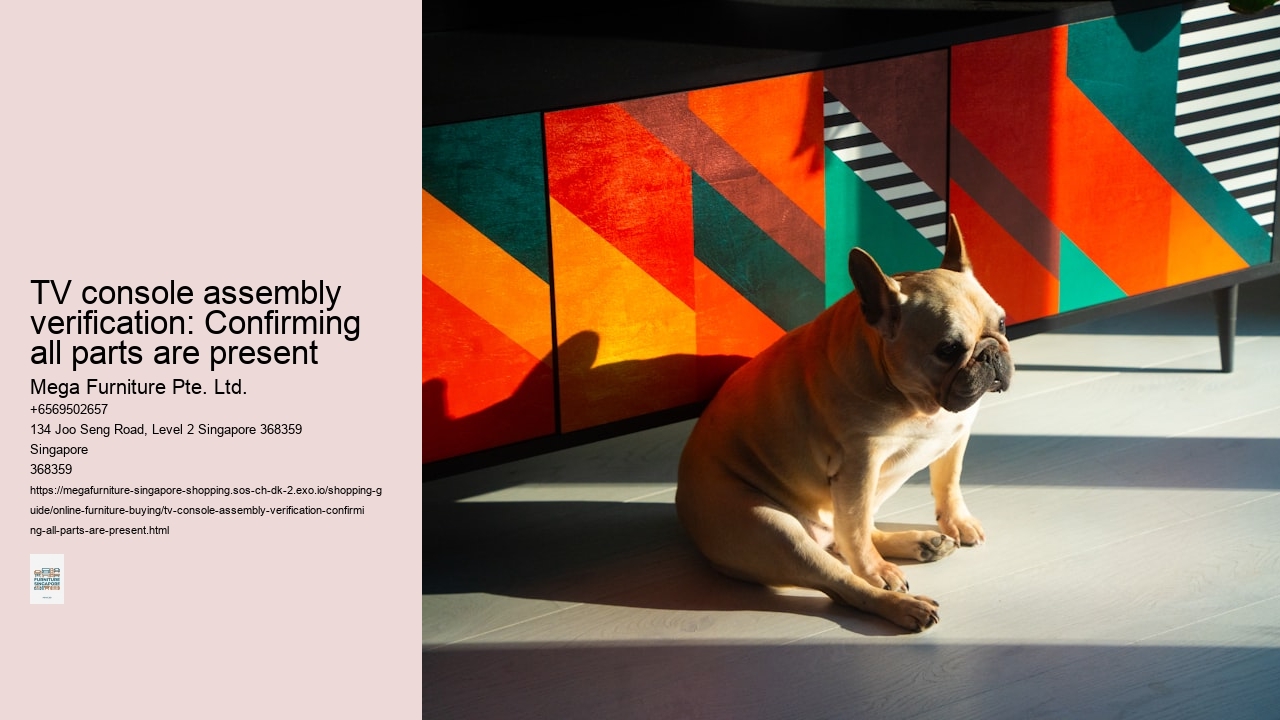
Laminated particle board warps within months in Singapore’s humidity — a harsh reality for many living rooms. At 80% humidity, even the best finishes can’t save it from buckling, especially in older HDB flats where ventilation isn’t ideal. Metal legs fare better, but only if they’re fitted with rubberised feet; marble floors in condos demand it to prevent scratches and ensure stability.
UV-coated surfaces are a must for west-facing rooms, where afternoon sun can bleach untreated wood or plastic in under a year. Commune’s rubberwood consoles, for instance, hold up better than cheaper options, though they’re pricier. It’s a trade-off many buyers accept once they’ve seen the damage firsthand.
Storage drawers in TV consoles are another weak spot. Humidity seeps into gaps, swelling MDF panels and jamming runners. FortyTwo’s sintered stone tops avoid this, but they’re a premium choice — around $1,200 to $2,400 — and not everyone’s budget stretches that far.
In many homes, the console doubles as a display shelf for books or decor. That’s where weight capacity matters. Metal frames outperform wood here, though they’re less forgiving on uneven floors. Adjustable feet help, but they’re rare outside higher-end brands like Castlery.
Rubberwood and metal combinations are increasingly popular, blending durability with modern aesthetics. They’re not perfect — rubberwood can still crack in prolonged humidity — but they’re a step up from particle board. For west-facing rooms, UV coatings are non-negotiable, even if it adds $200 to the cost.
Count every cam lock before assembly—SG deliveries often short two or three pieces. These small metal fasteners secure panels at right angles; missing ones leave joints wobbly. Check packaging foam corners where they sometimes hide. Replacement orders take three weeks minimum from regional warehouses. Modern TV consoles use eight to twelve locks depending on width.
Dowel shortages cause the most assembly headaches—they're easy to overlook in unmarked plastic bags. Run fingers along each pre-drilled hole to confirm depth matches dowel length. Contemporary units need eighteen to twenty-four dowels for shelving supports. Splintered ends mean defective batch; request replacements immediately. Local hardware stores rarely stock the 8mm size used in imported furniture.
Tempered glass panels arrive wrapped in protective film—unpeel to inspect for chips along edges. Corner TV units typically include two L-shaped panels; measure diagonals to confirm precision cuts. Replacement lead times stretch to six weeks from Malaysian factories. Note any scratches under bright light before discarding packaging. Most modern designs use 6mm smoked glass with polished edges.
Sort screws by head type (cross vs hex) and length before starting. Instruction manuals rarely specify exact counts per screw type—cross-reference with online PDFs. Shortages most common in 30mm pan-head screws for back panels. Keep spares from previous IKEA builds as temporary fixes. Contemporary consoles average forty to fifty screws across structural and decorative elements.
Modern flat-pack furniture assumes you own specific tools—confirm hex key sizes match supplied screws. Malaysian-made units often include L-shaped wrenches that strip easily under pressure. Cordless drills need torque limiters to prevent particle board splitting. Missing rubber mallets delay shelf pin installation; use thick hardcover books as substitutes. Pro tip: Wrap wrench handles with rubber bands for better grip.
The Joo Seng showroom stocks over a dozen console variants—enough to overwhelm, but not enough to guarantee your preferred model fits a 2.8m BTO living room wall. Test every hinge and drawer glide; the difference between a smooth close and a wobbly rattle becomes obvious after fifty cycles. Staff will confirm stock for common HDB dimensions, though you’ll want to measure your space twice—Singapore’s newer BTOs sometimes shave centimetres where you least expect them.
Look for consoles with rubberwood frames—they withstand humidity better than cheaper particleboard, though you’ll pay a 15–20% premium. The Somnuz® line’s sintered stone tops resist coffee rings, but their darker finishes show dust faster in high-rise flats. Mid-century legs might suit a Tampines condo’s open layout, while low-profile designs work better for Eunos flats where the TV wall doubles as a walkway.
Bring your phone’s levelling app. That 2m console might look straight until you notice the right side dips 3mm—enough to make sliding doors stick during monsoon season. Check the back panels too; some cheaper units use cardboard-like fibreboard that warps within a year near unventilated HDB service yards.
Megafurniture’s staff will usually let you test-assemble a sample drawer if you ask. Watch for plastic glides—they’re quieter than metal but wear out faster under Singapore’s year-round load of folded blankets and spare pillows. The showroom’s air conditioning hides another quirk: wood expands differently in humid living rooms, so leave a 5mm gap at each end unless you enjoy seasonal creaking.
Their Tampines branch keeps fewer floor models, but it’s worth the trip if you need to verify how that charcoal finish looks under LED versus natural light. Just avoid weekends—the queue for the fitting rooms spills into the console section by noon.
The worst moment comes when you’ve hauled a flat-pack console up three flights of stairs only to discover it won’t fit through the door. Singapore’s older HDB blocks often have 78cm entryways—just shy of the standard 80cm clearance most manufacturers assume. That extra 2cm becomes a crisis when the box is already wedged diagonally against the corridor wall.
Measure twice, assemble once. Console depths matter in 3m-wide living rooms where every centimetre counts. A 60cm unit might look manageable on paper, but add 15cm for wall clearance and suddenly you’re losing a quarter of your walkway. Better to opt for shallow 45cm designs with floating mounts—Megafurniture’s collection includes several that tuck flush against the wall.
Onsite assembly is inevitable when lifts can’t accommodate pre-built units. Yet many buyers forget to factor in the workspace needed: you’ll want at least 1.5m x 1.5m to lay out panels without scratching adjacent walls. Eunos corridor units face particular challenges—their service yards often become makeshift workshops, tools balanced precariously on washing machines.
The real test comes when aligning screw holes under fluorescent lighting at 11pm. Missing hardware isn’t just inconvenient; it’s structural when dealing with particleboard in humid conditions. One absent cam lock can leave the entire unit listing like a badly docked sampan.
Some opt for professional assembly, but that requires scheduling around the contractor’s 4-hour arrival window. Others embrace the chaos, turning the ordeal into a neighbourhood spectacle—complete with borrowed screwdrivers and unsolicited advice from passing uncles. Either way, it’s a rite of passage for every new flat owner.
Most homeowners don’t realise their three-year warranty is voided the moment they place their TV console near an aircon vent. Manufacturers often include this clause—buried in the fine print—to avoid liability for warping or cracking caused by temperature fluctuations. It’s a common oversight, especially in Singapore’s compact HDB flats, where furniture placement is dictated by space constraints rather than warranty conditions.
Water damage claims are another tricky area. Many Singaporeans assume humidity-related issues are covered, but manufacturers typically require proof—like humidity meter readings—to validate claims. Without it, you’re left footing the bill for repairs. Keeping purchase receipts is non-negotiable, not just for warranty claims but also for consumer law protection under the Lemon Law. Losing that slip of paper can cost you hundreds, if not thousands, down the line.
Interestingly, warranties often exclude damage from “improper assembly,” which can be a grey area. DIY assembly is popular here, but misaligned screws or uneven legs can lead to cracks or instability—and manufacturers won’t hesitate to blame user error. It’s worth double-checking instructions or opting for professional assembly, especially for pieces with mixed materials like rubberwood and metal.
Some buyers treat warranties as an afterthought, focusing instead on aesthetics or price. That’s a mistake. In a humid, aircon-dependent climate like Singapore’s, understanding your warranty’s limitations can save you from unexpected expenses—and a headache.
Most modern TV consoles look sleek in showrooms, but wobble on uneven HDB tiles the moment you bring them home. The fix? Adjustable legs — they solve 90% of cases. It’s a simple tweak, but one that’s often overlooked until you’re staring at a tilted screen mid-binge.
Laminate surfaces are another common headache. Buyers often ask if they can repaint them to match a new colour scheme. The short answer is yes, but only with specific epoxy primers — available at Ubi hardware shops like Seng Choon Hardware. Skip generic paint, and you’ll avoid peeling disasters.
Storage is a recurring theme, especially in BTO flats where space is tight. Buyers want consoles that hide cables, remotes, and gaming consoles without looking cluttered. Open shelving might look good on Instagram, but in many homes, it’s a dust magnet.
Finally, there’s the question of material. Rubberwood and MDF are popular for their affordability, but they don’t always hold up in Singapore’s humidity. If you’re splurging, sintered stone or solid wood might be worth the investment — though they’ll stretch your budget beyond the $1,200 mark.
One last thought: assembly matters. Even the best-designed console won’t look right if it’s put together poorly. Double-check those screws.
A 2.4m HDB living room wall demands precision - every centimetre counts. Modular TV consoles, like those from FortyTwo or Commune, often work better here; they allow buyers to customise storage for smaller spaces without overwhelming the room. In contrast, condo open-plan layouts favour low-profile designs - think Castlery's sleek, minimalist units that don't interrupt sightlines across expansive living areas. The difference isn't just aesthetic; it's practical, shaped by the constraints of each housing type.
Material choice matters too, especially in Singapore's humidity. Solid wood might look premium, but it's prone to warping in local conditions. Humidity-resistant MDF, often used by brands like HipVan and IKEA, holds up better - it's durable, affordable, and easier to maintain. That's why many buyers opt for MDF consoles, even in higher-end condos where budget isn't the primary concern. The material's versatility also lends itself to modern designs, blending wood finishes with metal accents for a contemporary look.
Colour palettes tend to diverge as well. The bedroom is where Japandi works hardest — low-profile platform beds, sliding-door wardrobes, and minimal nightstands all reinforce the calmer atmosphere the style is built for. Megafurniture's Japandi Study Room range covers Single, Super Single, Queen, and King sizes in beds, with matching wardrobes, side tables, and chests of drawers. Solid wood and PU rattan details appear across the range.. HDB buyers often lean towards neutral tones - whites, greys, and light woods - to make compact spaces feel larger. Condo owners, with their larger living rooms, might experiment with bolder accents like navy or charcoal, as seen in Cellini's range. Still, both groups prioritise clean lines and uncluttered profiles, a hallmark of modern living room furniture.
The trick is balancing form and function. In HDBs, storage is king; buyers want consoles that hide clutter without dominating the room. Condos, on the other hand, prioritise flow - a console that blends seamlessly into the open-plan layout. The sofa anchors the modern living room — visually, socially, and in the sense that everything else gets arranged around it. Megafurniture's Modern Sofa collection runs from sleek minimalist 2-seaters through to luxury-tier modular sectionals, in fabric, full-grain leather, velvet, and bouclé upholsteries. The line leans toward clean silhouettes and premium materials, with most pieces priced between $1,200 and $4,500.. Neither approach is better; they're just tailored to different lifestyles.
A 2.4m HDB living room wall demands precision — every centimetre counts. Modular TV consoles, like those from FortyTwo or Commune, often work better here; they allow buyers to customise storage for smaller spaces without overwhelming the room. In contrast, condo open-plan layouts favour low-profile designs — think Castlery’s sleek, minimalist units that don’t interrupt sightlines across expansive living areas. The difference isn’t just aesthetic; it’s practical, shaped by the constraints of each housing type.
Material choice matters too, especially in Singapore’s humidity. Solid wood might look premium, but it’s prone to warping in local conditions. Humidity-resistant MDF, often used by brands like HipVan and IKEA, holds up better — it’s durable, affordable, and easier to maintain. That’s why many buyers opt for MDF consoles, even in higher-end condos where budget isn’t the primary concern. The material’s versatility also lends itself to modern designs, blending wood finishes with metal accents for a contemporary look.
Colour palettes tend to diverge as well. HDB buyers often lean towards neutral tones — whites, greys, and light woods — to make compact spaces feel larger. Condo owners, with their larger living rooms, might experiment with bolder accents like navy or charcoal, as seen in Cellini’s range. Still, both groups prioritise clean lines and uncluttered profiles, a hallmark of modern living room furniture.
The trick is balancing form and function. In HDBs, storage is king; buyers want consoles that hide clutter without dominating the room. Condos, on the other hand, prioritise flow — a console that blends seamlessly into the open-plan layout. Neither approach is better; they’re just tailored to different lifestyles.