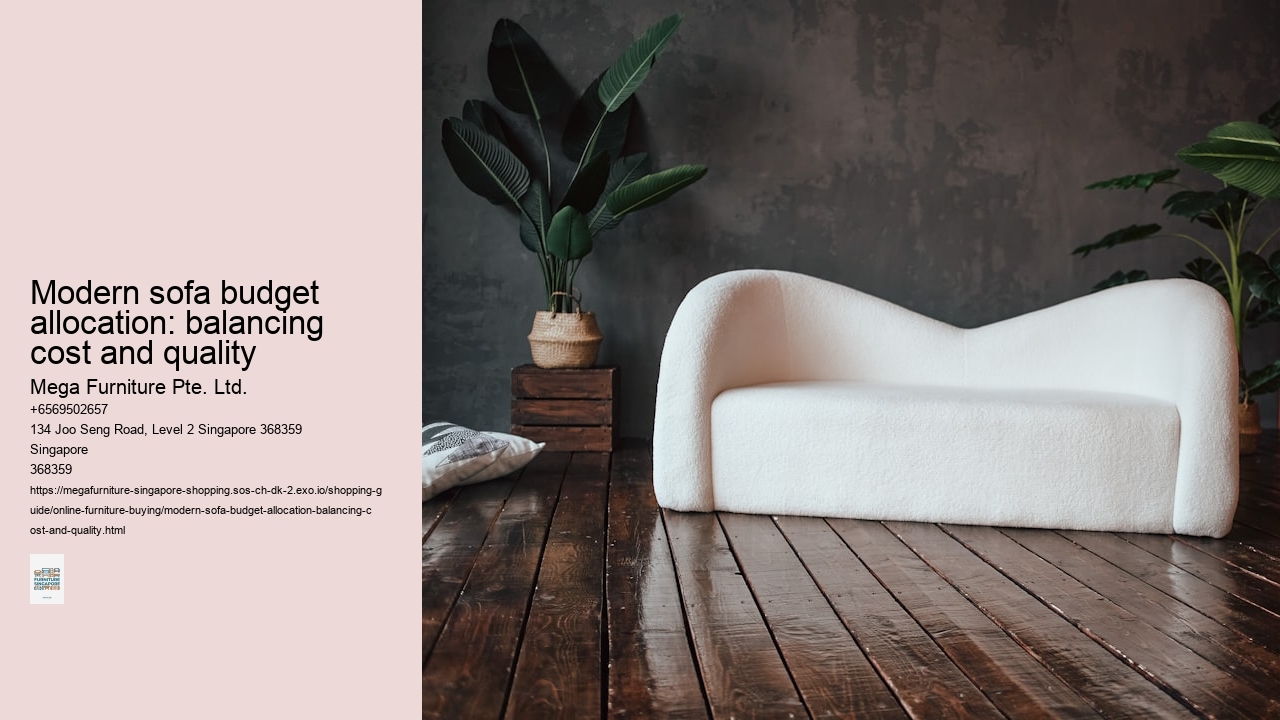
Singapore’s humidity hovers above 80% most of the year — a fact that makes leather sofas a risky choice for many homes. While full-grain leather ages beautifully in drier climates, here it’s prone to cracking and mould if not meticulously maintained. Fabric upholstery, particularly performance velvet or stain-resistant polyester, tends to fare better; it’s breathable, easier to clean, and less likely to trap moisture. For households with pets, fabrics treated with anti-scratch coatings or those with tight weaves — think bouclé or microfiber — offer a practical balance between durability and aesthetics.
Wood-metal combinations have become a staple in modern living rooms, especially in BTO flats where clean lines and mixed materials dominate. Teak and rubberwood are popular choices for their resistance to warping in humid conditions, often paired with powder-coated steel frames for a sleek, industrial look. These combinations not only withstand Singapore’s climate but also align with the minimalist, uncluttered silhouettes favoured in contemporary design. Just avoid untreated pine or MDF — they’ll swell and degrade faster than you’d expect.
Stain resistance is a non-negotiable for families with kids or pets. Performance fabrics, like those from Castlery or FortyTwo, are engineered to repel spills and resist fading, making them a practical choice for high-traffic areas. Leather, while easier to wipe down, can absorb odours and show scratches more prominently — a downside for homes with active pets. Ultimately, the material you choose should balance practicality with the modern aesthetic you’re aiming for, without compromising on comfort or longevity.
HDB living rooms often measure under 12 sqm, yet buyers still gravitate toward oversized L-shaped sofas that leave walkways cramped. A 2.4m modular might fit the showroom floor at IKEA Alexandra, but won't clear the lift doors at Punggol BTO blocks. Measure twice: account for balcony swing doors, ceiling fan clearance, and that inevitable pile of school bags by the entrance. Depth matters too — a 95cm-deep seat eats into precious floor space better used for storage ottomans or play areas. The sweet spot? Compact 1.8m two-seaters with under-seat drawers, like FortyTwo's Oslo model.
Singapore's 84% average humidity warps untreated rubberwood legs within months and breeds mould in non-breathable polyester blends. Yet condo buyers still prioritise aesthetics over performance fabrics like Crypton or Revolution. That bouclé showpiece from Castlery's showroom? It'll yellow where arms meet sweat stains by year two. Look for kiln-dried hardwood frames and moisture-wicking upholstery — Cellini's ClimateGuard range uses nano-coated fibres that repel condensation. Skip the teak oil promises; proper treatment happens at the factory.
Scratch-resistant doesn't mean claw-proof — many "pet-friendly" labels just indicate stain treatment, not actual durability. Performance velvet from Commune withstands paw pads but shreds under determined scratching; tight-weave linen blends fare better. Avoid tufted details that collect hair and consider removable cushion covers for weekly washes. Pro tip: match upholstery to your tabby's fur tone unless you enjoy daily lint-rolling sessions. Leather works for persnickety Persians but turns into a slip-'n-slide for hyperactive terriers.
Spending $3,500 on a designer Chesterfield but skimping on the $90 anti-tip brackets is classic false economy. Mid-range sofas between $1,200–$2,400 often outperform luxury imports in local conditions — their plywood frames flex with concrete floor shifts better than solid oak. Allocate 15% of budget for maintenance: professional cleaning every 18 months, replacement casters when HDB tiles wear unevenly, and arm caps for balcony smokers. That $799 Taobao bargain? Shipping fees and GST will push it past Courts' ready-stock alternatives anyway.
The mid-century modern wave flooded Tiong Bahru condos with identical hairpin legs and tapered arms until every living room looked like a Commune catalogue. Localised adaptations matter: low-back designs suit windowless HDB layouts needing clear sightlines, while condo dwellers can risk taller silhouettes. Mix materials strategically — a metal-framed base prevents termites in landed properties, but rattan accents soften clinical BTO spaces. Trends fade faster than sun-faded fabric; that Pantone Colour of the Year won't age as well as neutral greige.
Modern sofa cleaning: recommended products for fabric and leather
Walking into Megafurniture’s Joo Seng showroom, you’ll immediately notice how their L-shaped modular sofas are arranged in 12 sqm mock-ups — complete with coffee tables and TV consoles at regulation HDB distances. That’s the advantage of testing in person: you’ll catch details online renders miss, like whether the chaise extension blocks your balcony door or if the fabric snags on denim rivets. Their Tampines branch goes further with material swatches pinned beside each display; rub your palm across the performance velvet versus linen-weave polyester to feel which hides toddler stains better.
Most buyers spend 20 minutes debating between the 2.1m Axel sofa (fits three adults) versus the 1.8m Oslo (fits two plus floor cushions) — decisions that look obvious on paper but reveal themselves only when you sprawl across both. Sales staff will demonstrate the drop-down mechanisms on storage ottomans without prompting, a small mercy for parents who’ve wasted weekends assembling flat-pack furniture only to discover faulty hinges.
The showrooms stock complete living room sets, which helps visualise how that caramel leather sofa might clash with your existing teak TV console. You’ll notice the Oslo’s tapered legs leave 8cm clearance for robot vacuums, while the Axel’s solid base requires manual sweeping — practicalities that separate showroom testing from speculative online shopping.
Weekday afternoons are best for uninterrupted testing, though Saturdays reveal how the Oslo’s armrests hold up when three cousins pile onto them simultaneously. Some visitors bring fabric samples from their curtains; others snap photos of the Oslo’s stitching to compare against FortyTwo’s near-identical model. Either way, you’ll leave knowing whether that 30cm seat depth suits your movie nights or leaves you slouching.
Megafurniture’s showrooms solve the modern HDB dweller’s paradox: needing furniture substantial enough to anchor an open-concept space, yet compact enough to navigate narrow lift landings. Their delivery teams know which void deck ramps accommodate 2.4m sofas — knowledge that only comes from servicing thousands of Tampines and Bedok residences.
Delivery timelines for modern sofas vary wildly across Singapore retailers — IKEA’s 3-day delivery slots vanish faster than Tampines Mall parking on weekends, while boutique stores quote 8–12 weeks for custom orders. Always confirm lift access dimensions (HDB lifts average 1.8m height x 1.2m width) before committing to that 2.4m L-shaped sectional from FortyTwo. Condo dwellers face different headaches: basement loading bays often prohibit delivery vans after 7pm, and security deposits for lift bookings add $50–200 to your final bill.
Warranty fine print reveals stark differences between brands. Megafurniture’s 5-year frame warranty sounds impressive until you realise it excludes stitching — the first thing that fails when kids treat your velvet sofa as a trampoline. Local brands like Commune typically cover fabric pilling for 12 months, while Castlery’s premium lines extend foam sagging protection to 3 years. Pro tip: photograph your sofa during assembly; retailers increasingly demand timestamped proof that damage wasn’t caused by your helper’s overzealous vacuuming.
Assembly services range from free (IKEA’s famously cryptic instructions) to $250+ for premium brands sending technicians — money well spent when dealing with modular systems requiring laser-level precision. Eunos and Bedok neighbourhood shops still offer old-school cash discounts for customers who skip receipts, but you’ll forfeit warranty claims. Most HDB living rooms become obstacle courses during delivery; measure not just doorways but also that awkward pivot around your new smart toilet.
The real warranty test comes during monsoon season. That “water-resistant” label from the showroom? It rarely accounts for Jurong West’s horizontal rain seeping through window grilles. Retailers know Singaporeans replace sofas every 5–7 years — the average lifespan of a warranty and the exact moment foam starts pancaking.
Parking restrictions haunt last-mile deliveries. Courier companies charge $80–120 for “failed deliveries” when security turns them away at Punggol condos, while HDB estates like Toa Payoh impose 30-minute unloading limits that vanish if the lorry driver nabs the one shady lot behind Block 203. Some buyers resort to midnight self-collection from warehouses in Tuas — until they realise their Toyota Raize can’t swallow a 2.1m sofa box.
What’s the difference between modular and sectional sofas? Modular sofas let you customise layouts — ideal for oddly shaped HDB living rooms or condos with tight corners. Sectionals, on the other hand, come pre-configured, often as L-shaped or U-shaped units; they’re simpler to set up but less adaptable. Both work in modern spaces, but modular designs edge ahead for flexibility.
Humidity-resistant materials are non-negotiable in Singapore. Performance fabrics like Crypton or Sunbrella repel moisture and stains, while synthetic leathers — think polyurethane or microfiber — resist mould better than natural leather. Avoid untreated cotton or linen; they’ll absorb humidity and develop musty smells faster than you’d expect.
Pet-friendly fabrics are a growing concern, especially for condo dwellers with limited space. Performance velvet is a favourite — it’s soft, durable, and hides scratches better than bouclé or linen. Microfiber is another solid choice; it’s easy to clean and less likely to snag claws. Avoid delicate weaves or anything with loose threads — they’re a magnet for claws and fur.
Most buyers overlook maintenance until it’s too late. A sofa that looks great in the showroom might be a nightmare to clean in a 12 sqm HDB living room. Stick with darker neutrals or patterned fabrics if you’re worried about stains — they’ll hide spills better than light solids. And remember: removable, washable covers aren’t just convenient; they’re essential for long-term upkeep.
The moment before swiping your card is when most Singaporean buyers realise they forgot to measure their lift lobby. A 2.8m L-shaped sofa might fit the living room, but good luck getting it past the HDB lift’s 2.1m diagonal clearance. Budget allocation often gets derailed by last-minute add-ons — delivery fees for walk-up apartments, anti-stain treatment for households with toddlers, or that matching coffee table you suddenly can’t live without.
Showroom testing separates the Instagram-ready from the truly livable. That bouclé fabric looks dreamy under gallery lighting, but run your hand across it after imagining five years of snack crumbs and sunscreen stains. Sit for at least 15 minutes — the average duration of a Netflix episode — to check if the seat depth suits your family’s TV-watching posture. Sales staff at FortyTwo and Castlery will tell you their most returned items are sectionals that looked smaller in warehouse-sized showrooms.
Material suitability isn’t just about aesthetics. Performance velvet might survive your cat’s claws, but it’ll trap heat in our year-round humidity. Genuine leather develops character marks; bonded leather flakes like a croissant after 18 months. For BTO flats near coastal areas like Pasir Ris or West Coast, ask about anti-corrosion treatments on metal legs — that sea breeze carries more salt than you’d think.
Smart buyers bring three things to final inspections: a tape measure (for the actual flat, not the showroom replica), fabric swatches (hold them against your existing curtains), and photos of your electrical outlets. Nothing kills the mood like realising your new recliner sofa blocks the only power point for the router. Megafurniture’s Tampines showroom lets you test USB charging ports on their smart sofas — try plugging in your actual devices, not the display dummies.
Walk away if the salesperson starts pushing extended warranties before confirming the sofa’s fire retardant certification matches Singapore’s SS 141 standards. That’s not upselling — it’s covering for corners cut.
The average three-seater in a Singapore living room spends its life wedged between a TV console and dining table-which explains why buyers here prioritise compact footprints over sprawling sectionals. The sofa anchors the modern living room — visually, socially, and in the sense that everything else gets arranged around it. Megafurniture's Modern Sofa collection runs from sleek minimalist 2-seaters through to luxury-tier modular sectionals, in fabric, full-grain leather, velvet, and bouclé upholsteries. The line leans toward clean silhouettes and premium materials, with most pieces priced between $1,200 and $4,500.. For 12 sqm HDB living rooms, sofa widths under 2m work best; FortyTwo's Oslo (1.8m) and Castlery's Kova (1.9m) leave just enough aisle space to walk past without bruising hips. Budgets typically start at $800 for basic fabric models from IKEA or HipVan, but jump to $1,200–$2,400 for humidity-resistant options like performance velvet or treated linen-critical for ground-floor units near Punggol waterways or Pasir Ris beachfront.
Condos with 16–20 sqm living areas allow slightly more flexibility. Buyers often stretch to $3,500–$5,000 for modular designs like Cellini's L-shaped Haven series, though the real cost comes later: oversized pieces frequently require $200–$400 in professional dismantling fees when moving between lift lobbies. EC owners tend to split the difference-$2,800 buys a decent leather-upholstered three-seater from Commune that fits both the space and the aspirational vibe.
Material choices reveal neighbourhood patterns. Tampines and Sengkang buyers lean toward stain-resistant microfibre (kids, always kids), while Tanjong Pagar condos see more bouclé and wool blends. The one universal: nobody regrets skipping cheap PU leather. That $1,500 “genuine leather” deal at neighbourhood shops? By year two, the peeling starts-usually right when the warranty expires.
Storage features add 15–20% to the price but rarely justify it. Those hollow ottomans promising to swallow blankets? They end up storing exactly three expired phone books and a single loose AAA battery. Better to spend the difference on thicker cushion foam-most local showrooms stock 1.8 density as standard, but 2.2 density lasts twice as long under daily Netflix marathons.
Sales staff will push “space-saving” sofa beds, but the mechanism collects dust in 90% of households. Unless you're hosting in-laws monthly, that $1,000 convertible is just a very heavy regular sofa with worse back support.
The average three-seater in a Singapore living room spends its life wedged between a TV console and dining table—which explains why buyers here prioritise compact footprints over sprawling sectionals. For 12 sqm HDB living rooms, sofa widths under 2m work best; FortyTwo’s Oslo (1.8m) and Castlery’s Kova (1.9m) leave just enough aisle space to walk past without bruising hips. Budgets typically start at $800 for basic fabric models from IKEA or HipVan, but jump to $1,200–$2,400 for humidity-resistant options like performance velvet or treated linen—critical for ground-floor units near Punggol waterways or Pasir Ris beachfront.
Condos with 16–20 sqm living areas allow slightly more flexibility. Buyers often stretch to $3,500–$5,000 for modular designs like Cellini’s L-shaped Haven series, though the real cost comes later: oversized pieces frequently require $200–$400 in professional dismantling fees when moving between lift lobbies. EC owners tend to split the difference—$2,800 buys a decent leather-upholstered three-seater from Commune that fits both the space and the aspirational vibe.
Material choices reveal neighbourhood patterns. Tampines and Sengkang buyers lean toward stain-resistant microfibre (kids, always kids), while Tanjong Pagar condos see more bouclé and wool blends. The one universal: nobody regrets skipping cheap PU leather. That $1,500 “genuine leather” deal at neighbourhood shops? By year two, the peeling starts—usually right when the warranty expires.
Storage features add 15–20% to the price but rarely justify it. Those hollow ottomans promising to swallow blankets? They end up storing exactly three expired phone books and a single loose AAA battery. Better to spend the difference on thicker cushion foam—most local showrooms stock 1.8 density as standard, but 2.2 density lasts twice as long under daily Netflix marathons.
Sales staff will push “space-saving” sofa beds, but the mechanism collects dust in 90% of households. Unless you’re hosting in-laws monthly, that $1,000 convertible is just a very heavy regular sofa with worse back support.
Modern sofa cleaning: recommended products for fabric and leather