Singapore’s humidity doesn’t just frizz hair—it warps untreated wood within months. That teak coffee table from the grandparents’ era? It survived because teak’s natural oils repel moisture. Modern flat-pack pine, though, will swell at the joints after two rainy seasons. Powder-coated metal legs outperform plain steel in coastal areas like Pasir Ris or Sentosa Cove. They’re the reason balcony furniture at Waterway Point’s FortyTwo showroom still looks pristine after years of sea breeze. For fabrics, performance velvet resists mold better than linen—a lesson learned the hard way in Punggol’s first-wave BTOs, where untreated cotton couches developed musty smells by their first Deepavali. Rubberwood’s a budget-friendly alternative to teak, but only if kiln-dried properly. The IKEA Stockholm series gets this right; some Taobao knockoffs don’t. Sintered stone tabletops won’t stain when condensation forms, unlike marble-look laminates that bubble at the edges. And that rattan accent chair from Castlery’s showroom? It’s actually PE wicker—real rattan would crack within a year. Leather’s tricky. Full-grain develops character in humidity; bonded leather peels like sunburnt skin. A sales assistant at Cellini’s Novena outlet once demonstrated by rubbing a bonded sample with a damp cloth—the “grain” wiped right off. For upholstery, Sunbrella-treated fabrics cost 20% more but outlast cheaper alternatives by years. The real test comes during the December monsoon, when even indoor humidity hits 90%. That’s when cheap MDF drawers stick shut, and metal frames without proper seals develop condensation puddles overnight.
Megafurniture’s aluminium-framed sofasuse the same marine-grade powder coating as Changi Airport’s outdoor seating—which explains why their Tampines showroom samples still look new after three years of kids climbing on them.
Buyers eyeball furniture dimensions against blank walls, forgetting door frames and AC ledge protrusions eat up 15cm. That modular sofa from FortyTwo won't fit through the lift if assembled — Eunos HDB lifts average 190cm clearance. Measure twice during daylight; shadows distort tape readings. Include electrical points in calculations; you'll curse when that sleek Commune sideboard blocks the only socket. Standard HDB living rooms shrink 10% once you account for curtain rails and uneven floors.
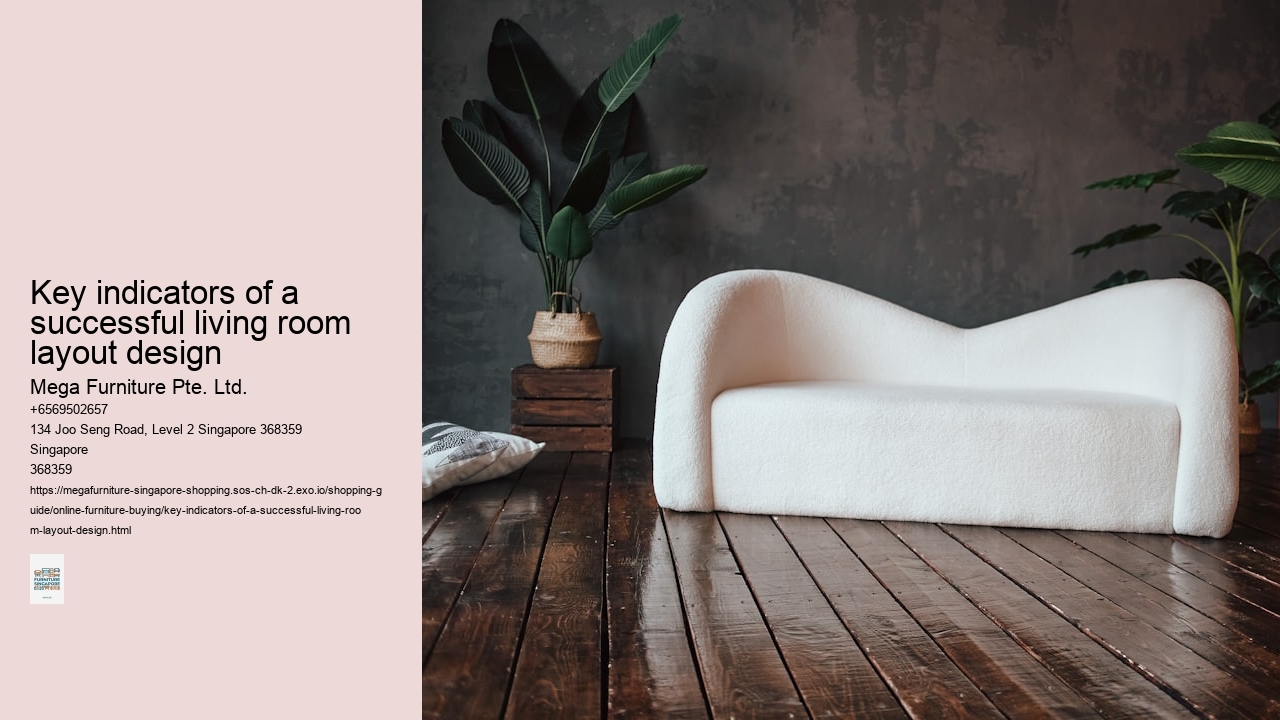
Bouclé sofas flood Instagram but stain permanently under Singapore's hawker centre smoke. Mid-century walnut veneer yellows in east-facing flats within eighteen months. Local humidity warps thin MDF "scandi" legs — solid rubberwood survives Choa Chu Kang's monsoon season. Trend cycles outpace BTO completion dates; that mint green velvet will feel dated by key collection. Invest in neutral frames, swap out cushions seasonally at Bugis Street markets.
Wall-hugging sectionals create dead zones where mold spores thrive behind the units. Leave 8cm gaps between furniture and windows for Punggol's salty breezes to circulate. Low-profile beds trap moisture — IKEA's MALM series causes more mattress rot reports than any other design. Ceiling fans lose 30% efficiency when blocked by tall storage units. That Instagram-perfect room divider? It's slicing your cross-ventilation in half.
Angled coffee tables become shin destroyers in narrow 4m HDB corridors. Glass-top consoles near main doors collect school bags and wet umbrellas within days. Dining sets placed en route to the kitchen accumulate scratches from passing trolley bags. Observe your family's natural pathways for a week before committing to Castlery's showroom layout. The prettiest vignette fails when it becomes an obstacle course during CNY visits.
White oak veneer requires quarterly oiling — most buyers realise this after water rings appear. Performance fabrics stain worse than linen if not cleaned with specific pH solutions. Metal legs pit when mopped with alkaline floor cleaners common in Singapore. That matte black finish from Cellini shows every fingerprint and requires weekly dusting. Real leather cracks without conditioning in air-con environments; Megafurniture's synthetic alternatives handle Tampines' humidity better.
Walking into Megafurniture’s Joo Seng showroom, you’ll spot the difference immediately—their modular sofas aren’t roped off like museum pieces. You’re expected to plop down, stretch out, test the recliner mechanism six times in a row. That’s the advantage of physical showrooms over online galleries: you can’t gauge cushion density or fabric texture through a screen, especially when most Singaporean buyers are pairing pieces for 3.6m-wide HDB living rooms.
Their Tampines outlet takes it further with room mockups—a 12 sqm BTO layout here, a narrow condo configuration there—all staged with actual furniture dimensions. You’ll notice how that 2.8m L-shaped sofa swallows walking space when paired with a coffee table, or why their low-profile TV consoles work better with ceiling-mounted screens. Sales staff won’t hover but will demonstrate drawer glides or explain why their rubberwood dining sets outperform MDF in humid conditions.
The Somnuz® mattress line exemplifies this hands-on approach. Lie down for five minutes, not thirty seconds—that’s how long it takes to feel whether the medium-firm option actually suits your back. Nearby, a couple debates storage beds versus divans while opening and closing actual underbed compartments, testing the hydraulic lifts with their own luggage.
Showrooms also reveal what brochures omit: how velvet upholstery attracts lint in high-traffic areas, or why their matte laminate surfaces resist fingerprints better than glossy finishes. You might walk in set on a charcoal grey sectional, only to leave convinced their taupe fabric hides stains better after seeing both options under LED lighting.
Weekday mornings are best for uninterrupted testing, though Saturdays let you observe how pieces hold up under real family chaos—kids jumping on sectionals, grandparents scrutinising stitching. The staff won’t mention that their best-selling coffee table has rounded corners until you watch a toddler narrowly avoid a forehead collision.
The delivery team will pause at your void deck when they see the lift dimensions — 1.5m by 1.2m is standard for newer HDB blocks, but pre-2010 estates often have narrower openings. That modular sofa you ordered? It’ll likely need disassembly before going upstairs, which is why most local retailers include basic breakdown service in the delivery fee.
Professional assembly isn’t just about saving time. Modern living room pieces — especially those mixed-material coffee tables with tempered glass tops or sectional sofas with floating metal legs — tend to have alignment tolerances under 3mm. One uneven screw torque on your new walnut-veneer media console, and you’ll notice the drawer gaps before the week’s out.
Tight spaces amplify assembly risks. A 3.6m living room wall leaves about 40cm clearance for maneuvering that L-shaped sofa into position — enough room for experienced movers who know to pivot on the ball of the foot, but prime territory for amateur scuffs on your newly painted feature wall. Some condos charge penalty fees for lift damage; better to pay the $120–$250 assembly surcharge upfront.
Oddly enough, the most common post-delivery complaint isn’t about dents or delays — it’s about packaging waste. Expect at least three industrial-sized plastic wraps and a small mountain of styrofoam from a single modular sofa delivery, which explains why many buyers schedule deliveries right before their monthly bulky waste collection day.
Retailers like Castlery and FortyTwo now offer timed delivery slots down to 2-hour windows, though you’ll pay 15–20% extra for evening or weekend slots. That’s still cheaper than taking half-day leave to wait for a “sometime between 9am and 5pm” delivery — and missing it when the truck gets stuck in the PIE jam near Toa Payoh.
Sofa beds gather dust in most HDB flats — unfolded twice a year for visiting relatives, then left to sag. The mechanism seizes up faster in humid Singapore; stainless steel versions at FortyTwo or Castlery last longer, but expect to pay $1,800–$3,200. Sectionals work better for daily use, though narrow doorframes in older estates like Bedok or Queenstown demand modular pieces under 90cm wide.
Twelve square metres forces brutal trade-offs. Built-in storage along one wall (IKEA’s Bestå system, or custom carpentry with rubberwood veneer) leaves just 2.1m clearance for a two-seater sofa. Locals prioritise display cabinets over side tables — those 30cm gaps become shoe storage or cat tunnels.
Pet owners lean toward performance fabrics: Crypton on Megafurniture’s Somnuz line resists claw marks better than linen or bouclé. Leather’s a gamble — terriers shred it, persian cats stain it with drool. One Tampines couple swears by vinyl-wrapped legs after their beagle chewed through solid oak.
Small flats mean every piece multitasks. Coffee tables with lift-top mechanisms (Courts’ $399 model) hide remotes and chargers; ottomans from HipVan stash blankets. The real hack? Mount TVs on cantilever arms — that reclaimed 15cm depth fits a narrow console behind the sofa.
Lighting’s where budgets snap. Electricians charge $120 just to relocate a ceiling point, so homeowners cluster floor lamps near existing outlets. The Philips Hue trick — stringing LED strips along cornices — works until the adhesive melts in our humidity.
A 3.6m sofa might look striking in a Tiong Bahru showroom, but in a 4.5m-wide HDB living room, it’ll leave just 30cm clearance on either side—barely enough to vacuum behind. That’s the reality for most Singapore buyers: modern furniture needs to fit real spaces, not Pinterest boards. Measure twice, then subtract 15cm for curtain rails and power strips you forgot about.
Humidity warps rubberwood legs and fades performance velvet within two monsoons if you’re near Bedok Reservoir or Punggol Waterway. Condo buyers with full-height windows get worse UV damage than HDB dwellers—consider sintered stone coffee tables over veneered MDF that bubbles at the edges. Those west-facing units at Clementi BTOs? They’ll bake leather sofas into cracked relics by year five.
Lifestyle trumps trends every time. That Noguchi coffee table looks pristine in showflats, but becomes a shin-bruising obstacle course when you’ve got toddlers charging through the room. Mid-century sideboards collect dust in households that order food delivery six nights a week—open shelving just means more GrabFood bags on display.
Smart buyers cross-check three things: their Taobao cart for accidental bulk orders (three armchairs shipped from Foshan won’t fit in a Sengkang lift lobby), their lease agreement (no drilling means no floating shelves), and their actual Netflix habits. Sectionals waste space if you always end up watching dramas on your phone in bed.
FortyTwo’s modular systems solve some problems but create others—custom configurations can’t be resold when you upgrade to a Queenstown condo. And that $2,400 Castlery media console? It’s useless when your next TV outgrows its cubby.
The 12 sqm HDB master bedroom forces a brutal calculus-every centimetre must justify its existence. That's why modular shelving systems like IKEA's PAX or Commune's customisable units dominate BTO projects; they turn dead wall space into vertical storage without swallowing floor area. Most homeowners regret buying standalone wardrobes-they're cheaper upfront, but the wasted clearance space around them adds up to half a square metre in many layouts.
Sofa beds illustrate the trade-offs perfectly. The $800 to $1,500 models from FortyTwo or Castlery work for occasional guests, but their 90cm seat depth compromises daily comfort. Better to splurge on a $2,200+ mechanism from Cellini with proper lumbar support-it'll survive the weekly unfoldings when the in-laws visit. Local buyers often overlook the weight; anything over 60kg becomes a nightmare to shift during seasonal rearrangements.
Neutral palettes aren't just an aesthetic choice-they're spatial camouflage. Light oak or white sintered stone surfaces visually expand the room, while dark woods shrink it. Performance fabrics like Revolution or Crypton on upholstery matter more in humid Singapore; real leather sticks to bare thighs in our 32°C nights.
The real test comes at the 18-month mark. That's when poorly planned rooms start sprouting makeshift solutions-clothing racks in the living room, shoe cabinets blocking balcony doors. The best layouts anticipate this decay; they leave intentional gaps near doorways for future storage towers or fold-out work desks.
Rubberwood bed frames with built-in drawers still beat platform beds in most flats-nobody has a spare closet for winter coats or CNY decorations. But the drawers need full-extension runners; standard ones leave the back third useless, just another dead zone collecting dust bunnies.
The 12 sqm HDB master bedroom forces a brutal calculus—every centimetre must justify its existence. That’s why modular shelving systems like IKEA’s PAX or Commune’s customisable units dominate BTO projects; they turn dead wall space into vertical storage without swallowing floor area. Most homeowners regret buying standalone wardrobes—they’re cheaper upfront, but the wasted clearance space around them adds up to half a square metre in many layouts.
Sofa beds illustrate the trade-offs perfectly. The $800 to $1,500 models from FortyTwo or Castlery work for occasional guests, but their 90cm seat depth compromises daily comfort. Better to splurge on a $2,200+ mechanism from Cellini with proper lumbar support—it’ll survive the weekly unfoldings when the in-laws visit. Local buyers often overlook the weight; anything over 60kg becomes a nightmare to shift during seasonal rearrangements.
Neutral palettes aren’t just an aesthetic choice—they’re spatial camouflage. Light oak or white sintered stone surfaces visually expand the room, while dark woods shrink it. Performance fabrics like Revolution or Crypton on upholstery matter more in humid Singapore; real leather sticks to bare thighs in our 32°C nights.
The real test comes at the 18-month mark. That’s when poorly planned rooms start sprouting makeshift solutions—clothing racks in the living room, shoe cabinets blocking balcony doors. The best layouts anticipate this decay; they leave intentional gaps near doorways for future storage towers or fold-out work desks.
Rubberwood bed frames with built-in drawers still beat platform beds in most flats—nobody has a spare closet for winter coats or CNY decorations. But the drawers need full-extension runners; standard ones leave the back third useless, just another dead zone collecting dust bunnies.