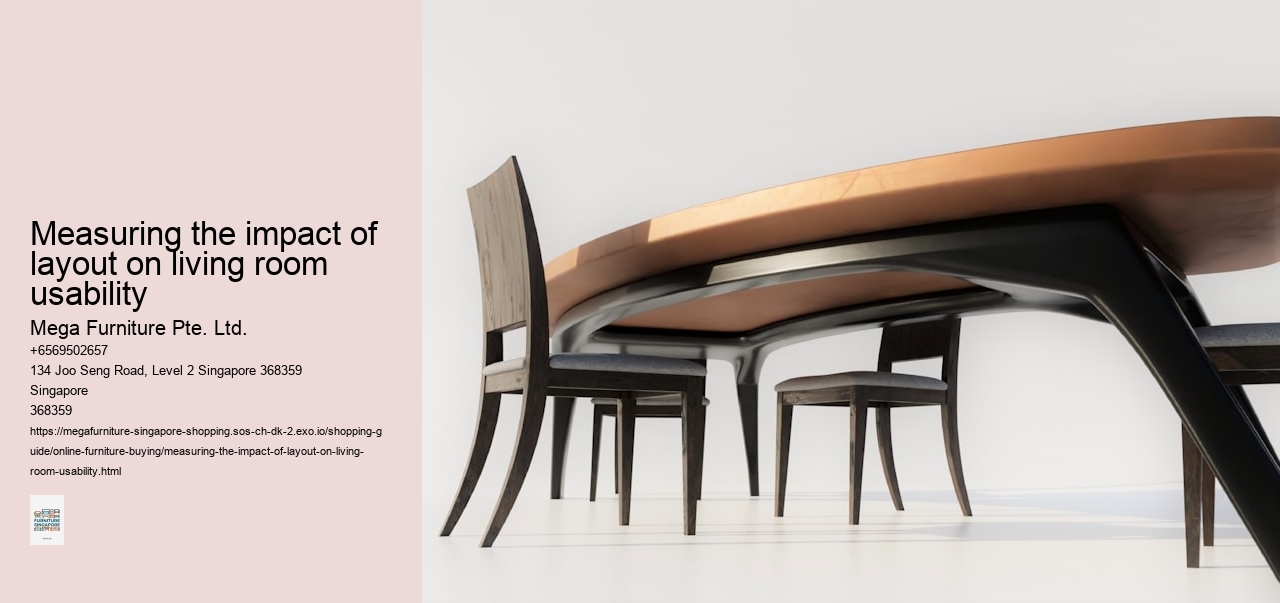
Teak’s golden-brown patina hides its real superpower — surviving Singapore’s humidity without warping or mould. Most homeowners assume it’s purely aesthetic until their cheaper rubberwood dining table develops black speckles within six months. The difference lies in natural oils that repel moisture; teak’s density also resists termites common in landed properties near Bukit Timah’s greenery.
Metal legs on sofas aren’t just for mid-century modern looks. Cast aluminium or powder-coated steel outperforms wood in ground-floor flats prone to dampness — though always check for rubberised feet to prevent scratching marble floors. FortyTwo’s welded frames last decades, while knockoff versions from neighbourhood shops often rust at weld points first.
Performance fabrics like Crypton or Revolution repel spills better than traditional linen, but the real test comes during monsoon season. A bouclé sofa might feel luxe in showrooms, but trapped humidity turns it into a petri dish without antimicrobial treatment. Megafurniture’s stain-resistant options handle everything from curry spills to toddler fingerprints.
Concrete-effect laminates dominate BTO feature walls because they won’t bubble like real concrete would. Sintered stone beats marble for kitchen countertops — it resists both acidic tom yum stains and the warping that plagues solid wood in unventilated HDB corridors. The best material choices disappear into daily life rather than demanding constant maintenance.
Three-seaters dominate showrooms but overwhelm 12 sqm living rooms, leaving walkways narrower than MRT turnstiles. Better to measure wall-to-wall before buying — most HDB spaces fit a 2.1m two-seater with 60cm clearance. Modular options like FortyTwo's L-shaped configurations adapt better than fixed designs when guests visit. Pro tip: skip the chaise if your corridor-style layout can't spare the extra 90cm depth. That reclaimed space becomes room for a side table or plant stand.
Wall-mounted screens often end up above eye level, forcing neck craning during two-hour Netflix binges. Ideal height centers the screen at 1.1m when seated on a standard 40cm sofa cushion. Floating consoles from Commune solve cable chaos while maintaining this sightline. Avoid placing TVs opposite windows unless you enjoy glare battles during daytime viewing. Corner mounts work surprisingly well in shoebox layouts, angled toward seating areas.
That awkward 80cm gap behind the door becomes wasted real estate in compact flats. Slim rotating shelves from Castlery turn these zones into functional storage without blocking door swings. Alternatively, install floating desks that fold down when needed — IKEA's Norden works for WFH setups. Dark corners visually shrink rooms; stick to light oak or white finishes. One client repurposed theirs as a vertical herb garden with grow lights.
Maintaining 75cm walkways seems obvious until coffee tables and floor lamps encroach. Try tracing foot traffic patterns with masking tape before arranging furniture. Round pedestal tables from Cellini minimize shin bruises while preserving circulation space. Sofas shouldn't float more than 1.2m from walls — any farther disrupts the room's sight lines. Nightmare scenario: having to sidestep a console table just to reach the balcony.
Open shelving becomes a dust magnet and visual noise amplifier in tight spaces. Opt for closed cabinets with push-open mechanisms below waist level. Display only three decorative items per surface — any more looks chaotic against HDB's low ceilings. Magnetic knife strips repurposed as jewelry organizers free up dresser tops. Pro move: assign every remote control a dedicated drawer under the TV console.
Walking into Megafurniture’s Joo Seng showroom feels like stepping into a 2026 BTO flat — their modular sofas arranged in precise L-shaped configurations, scaled to fit 3.6m living room walls with 40cm clearance for ceiling-height curtains. That’s the advantage of browsing in person: you’ll immediately notice how their low-profile TV consoles (55cm height) align sightlines with their 45cm seat-depth sofas — a combo that prevents neck strain when streaming from reclined positions. Their Tampines outlet demonstrates space-saving solutions better than any online configurator. One display arranges a 2.8m storage wall, 1.8m extendable dining table, and two armchairs within 12 sqm — proving you can fit three functional zones in typical HDB layouts. The secret? Their 35cm-deep sideboards double as console tables, while nesting coffee tables tuck under sofa frames during mealtimes. For condo dwellers, the Somnuz® mattress line pairs unexpectedly well with modern sectionals. Memory foam layers compensate for the firmer seating preferred in contemporary designs — a detail you’d only discover by testing combos in their pressure-mapping demo area. Staff will adjust lighting to simulate your floor-to-ceiling windows, revealing how their matte finishes handle afternoon glare from west-facing units. Assembly teams familiar with newer developments (Tengah Garden Walk, Bayshore) know which load-bearing walls can handle floating shelves. They’ll even advise on elevator clearance for oversized items — critical for those upgrading from IKEA to full-grain leather sofas. Browse their
modular living rangein person to avoid the 3-week return cycle that plagues online furniture shopping. The showrooms stock parts most homeowners forget to measure: 15cm-thick armrests that eat into walkways, or media console cutouts sized for Singtel TV boxes rather than Apple TVs. Watch how their velvet swatches change hue under LED versus warm lighting — that taupe sectional might read grey in your north-facing flat.
Flat-pack furniture dominates Singaporean living rooms not because buyers love DIY, but because lift landings in 99-year leasehold condos rarely fit pre-assembled sectionals. The real cost comes later — that IKEA BESTÅ TV console takes three evenings to assemble when you account for tea breaks, stripped screw holes, and the inevitable trip back to Alexandra Retail Centre for missing cam locks. Most local retailers now offer paid assembly (typically $80–$150 per furniture category), though humidity warping claims get tricky when third-party assemblers deviate from instructions.
Warranties here split into two camps: Malaysian-made rubberwood frames from FortyTwo often cover 5+ years for structural issues, while imported velvet upholstery from Castlery usually caps at 12 months — neither covers the "tropical climate" fine print when your $2,400 leather sofa develops condensation blisters. Smart buyers photograph assembly stages; Megafurniture's Joo Seng showroom staff confirm most successful claims involve timestamped WhatsApp videos proving proper moisture barrier application during installation.
Delivery timelines reveal Singapore's housing quirks. HDB upgraders in Punggol or Tengah frequently wait 12–16 weeks for made-to-order pieces, while condo dwellers near Orchard Road get same-week delivery slots — until the security guard rejects the lorry for exceeding condo loading bay height restrictions. Pre-assembled items face the tightest squeeze; one Tampines couple reported their King Koil mattress getting stuck vertically in the lift for 45 minutes during peak evening traffic.
The real test comes during monsoon season. That Scandinavian-style coffee table might survive Novena's air-conditioned showroom, but warranties rarely cover the cost of silica gel packets needed when it starts growing mushrooms in your ground-floor Bukit Timah terrace. Retailers know this — which is why so many "lifetime guarantees" mysteriously exclude "environmental factors" in the 14-page terms document.
Singapore buyers measuring their new BTO living rooms always hit the same realisation — that 12 sqm space disappears fast once you account for the TV console and coffee table. A two-seater sofa around 1.4m wide leaves just enough walkway space; anything wider and you’ll be sidling past like you’re in a MRT aisle during rush hour. Local brands like Castlery and FortyTwo now offer modular options where armless sections can shrink the footprint when needed.
Pet owners gravitate toward performance fabrics — that stain-resistant, scratch-proof textile every showroom assistant swears by — but the real test comes when claws meet material. Tight-weave linen blends hold up better than bouclé against cat scratches, while leather (despite the marketing) shows every mark. IKEA’s TORHAMN series gets recommended repeatedly in neighbourhood Facebook groups for surviving terriers and toddlers alike.
Storage solutions in compact layouts walk a tightrope between function and claustrophobia. Built-in carpentry along one wall works if you keep the upper cabinets glass-fronted; opaque units turn the room into a shoebox. Commune’s low-profile media consoles with hidden compartments prove popular — they stash routers and cables without shouting “storage unit” in a minimalist space.
Affordable modern furniture clusters around the $1,200–$2,400 range for a three-seater sofa, with HipVan’s in-house designs and Cellini’s seasonal promotions pulling first-time buyers. The trade-off? Thinner cushion foam that’ll need replacing in three years. Eunos industrial-area workshops still do brisk business reupholstering these budget buys once the original fabric pills or the padding flattens.
The 12 sqm HDB BTO living room forces compromises before you even unbox the first piece of furniture - that narrow entryway barely clears 1.2 metres, ruling out any sofa deeper than 90cm unless you want to sidle past it sideways. Condo units average 15 sqm but often waste space on awkward angles; that L-shaped nook behind the balcony door might look charming until you realise it swallows 2 metres of unusable floor.
Modern living room furniture here leans modular for good reason. The sofa anchors the modern living room — visually, socially, and in the sense that everything else gets arranged around it. Megafurniture's Modern Sofa collection runs from sleek minimalist 2-seaters through to luxury-tier modular sectionals, in fabric, full-grain leather, velvet, and bouclé upholsteries. The line leans toward clean silhouettes and premium materials, with most pieces priced between $1,200 and $4,500.. A Castlery sectional with detachable chaise lets you reconfigure around the quarterly reshuffles of shoe racks and CNY visiting chairs, while IKEA's stockiest coffee tables still hover at 55cm diameter - the maximum before they start blocking walking paths in HDB layouts. Condo dwellers splurge on irregular-shaped rugs to camouflage odd floorplans, though the real trick is mounting TVs on full-motion brackets to compensate for off-centre seating.
Storage becomes the silent dictator of layouts. Renters and BTO owners on tight initial budgets often need living-room pieces that perform for three to five years rather than fifteen, which changes the calculation entirely on what's worth paying for. The Japandi Sofa range under Megafurniture's Affordify line keeps individual piece prices low while retaining basic frame quality and standard delivery. Faux leather and microfibre upholsteries dominate this tier — easier to wipe down, less forgiving on long-term wear.. Those sleek FortyTwo media consoles with 30cm-deep drawers? They're not just styling choices - that's the exact clearance left when you push a 2.5m sofa against a BTO feature wall without choking the walkway. Condo owners get bolder with floating shelves above head height, gambling that nobody tall enough to bump them will ever visit.
Rubberwood legs outperform metal on cramped floors - they won't scratch tiles when that inevitable mid-year furniture shuffle happens. And skip the matching side tables; in many homes, a single 40cm-wide nesting table does triple duty as laptop stand, supper tray and impromptu step stool.
The real test comes during festive seasons, when that carefully curated neutral palette gets buried under red packets and mandarin orange boxes. Modern furniture survives these spaces by being as adaptable as its owners - ready to pivot, stack, or disappear entirely until the relatives leave.
The 12 sqm HDB BTO living room forces compromises before you even unbox the first piece of furniture — that narrow entryway barely clears 1.2 metres, ruling out any sofa deeper than 90cm unless you want to sidle past it sideways. Condo units average 15 sqm but often waste space on awkward angles; that L-shaped nook behind the balcony door might look charming until you realise it swallows 2 metres of unusable floor.
Modern living room furniture here leans modular for good reason. A Castlery sectional with detachable chaise lets you reconfigure around the quarterly reshuffles of shoe racks and CNY visiting chairs, while IKEA’s stockiest coffee tables still hover at 55cm diameter — the maximum before they start blocking walking paths in HDB layouts. Condo dwellers splurge on irregular-shaped rugs to camouflage odd floorplans, though the real trick is mounting TVs on full-motion brackets to compensate for off-centre seating.
Storage becomes the silent dictator of layouts. Those sleek FortyTwo media consoles with 30cm-deep drawers? They’re not just styling choices — that’s the exact clearance left when you push a 2.5m sofa against a BTO feature wall without choking the walkway. Condo owners get bolder with floating shelves above head height, gambling that nobody tall enough to bump them will ever visit.
Rubberwood legs outperform metal on cramped floors — they won’t scratch tiles when that inevitable mid-year furniture shuffle happens. And skip the matching side tables; in many homes, a single 40cm-wide nesting table does triple duty as laptop stand, supper tray and impromptu step stool.
The real test comes during festive seasons, when that carefully curated neutral palette gets buried under red packets and mandarin orange boxes. Modern furniture survives these spaces by being as adaptable as its owners — ready to pivot, stack, or disappear entirely until the relatives leave.