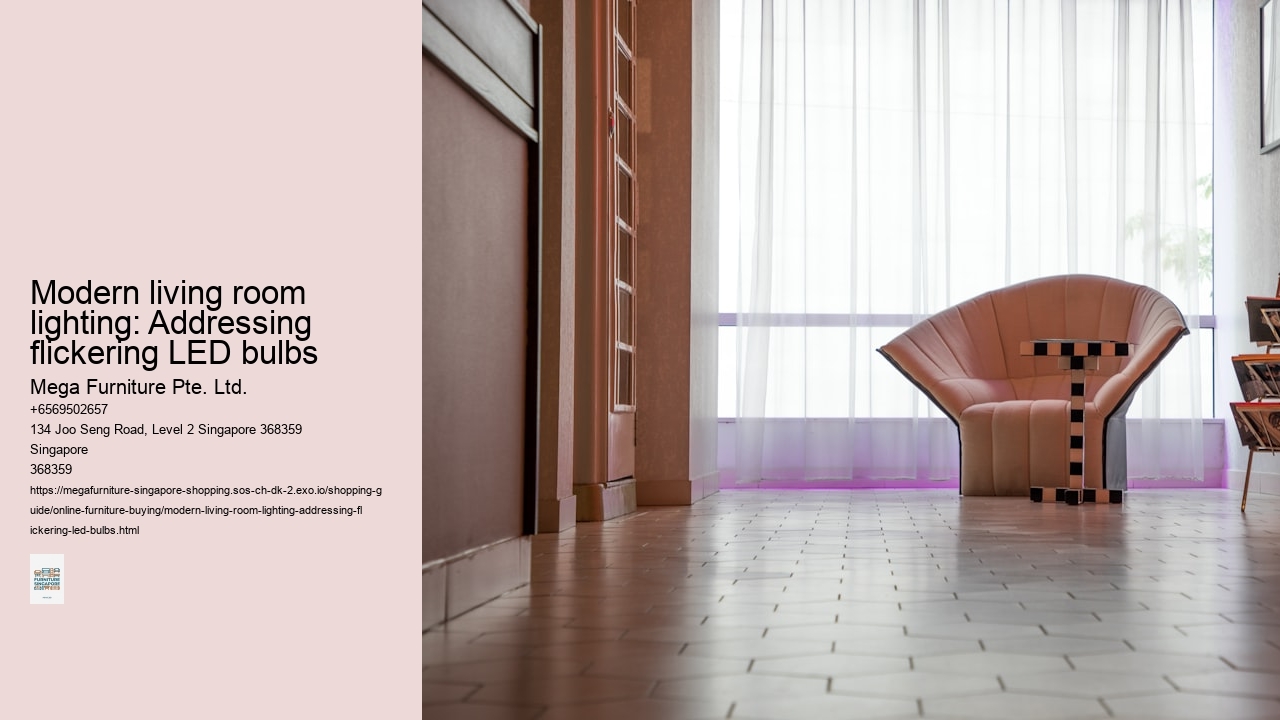
In a 12–16 sqm HDB living room, lighting isn’t just functional — it’s a design element that can make or break the space. LED bulbs have become the default choice, but not all are created equal. Lumen output matters more than wattage here; aim for 800–1,100 lumens to brighten compact areas without overwhelming them. Too dim, and the room feels cramped; too bright, and it loses its cosy appeal.
Colour temperature plays a subtle yet crucial role. Warm white (2,700–3,000K) works well in most HDB living rooms, complementing neutral palettes and modern furniture. Cool white (4,000–5,000K) can feel clinical, though it’s sometimes used in homes with bold accent walls or monochrome schemes. The trick is to match the bulb’s tone to the room’s overall vibe — warm for softness, cool for crispness.
Slim geometric fixtures are a natural fit for modern minimalist interiors. Think recessed LED panels or track lighting that hugs the ceiling, freeing up precious floor space. Pendant lights with clean lines — round, square, or hexagonal — can add visual interest without cluttering the room. Avoid bulky designs; they dominate small spaces and clash with sleek furniture.
It’s worth noting that cheaper LED bulbs often flicker, especially when dimmed. Spend a bit more on reputable brands like Philips or Osram — they’re less likely to fail within a year. And while smart bulbs are trendy, they’re not essential in compact spaces; simple dimmable LEDs usually suffice.
Finally, placement matters. In smaller rooms, lighting should highlight key areas — the sofa, coffee table, or TV console — without casting harsh shadows. A mix of overhead and task lighting works best, creating layers that make the space feel larger.
Singapore's humidity turns cheaper metals into rust magnets within months — but powder-coated aluminium holds up. Most contemporary pendant lights use it for the base structure, where moisture would typically pool. The material's natural oxidation layer acts as a barrier; even scratched surfaces resist corrosion better than steel. Look for anodised finishes in matte black or brushed nickel, which hide water spots better than glossy alternatives. These usually add $50–$100 to the price but last twice as long in coastal neighbourhoods like Marine Parade or Pasir Ris.
Raw wood warps within a year here, yet modern lighting mixes it with metal accents. The trick lies in kiln-dried rubberwood or teak sealed with marine-grade varnish — the same treatment used for balcony furniture. These withstand 85% humidity without cracking, though they'll fade slightly in direct sunlight. Mid-century style floor lamps often pair such wood with brass, creating a warm contrast that suits most BTO colour schemes. Just avoid untreated rattan or bamboo shades; they'll sag like wet cardboard by the second monsoon season.
Moisture seeps into screw holes and weld points first — which is why humidity-resistant fixtures have silicone-lined connections. Cheaper imports skip this step, leading to flickering when internal components corrode. Proper sealing adds manufacturing cost but prevents the greenish crust that forms on unsealed brass joints in Bukit Timah's particularly muggy microclimate. Test by running a finger along seams; smooth, slightly rubbery edges indicate proper weatherproofing. This matters most for ceiling-mounted lights where condensation drips downward.
Frosted or ribbed glass diffusers outperform clear ones in humid conditions — they mask water marks and mineral deposits from Singapore's hard tap water. Tempered varieties resist cracking when temperature swings hit 32°C to 24°C within hours during thunderstorms. Some European brands use anti-microbial coatings to prevent mould in the rim where glass meets metal, though local electricians warn these can yellow under prolonged UV exposure. For east-facing windows, opt for thicker 5mm panels that won't sweat as much during dawn humidity spikes.
High-grade polycarbonate gets dismissed as "cheap" but outperforms metals in basement carpark conditions — which mimic many HDB service yard installations. Modern matte finishes mimic ceramic at a distance while being impact-resistant enough for kids' areas. The best ones incorporate UV stabilisers to prevent the yellowing that plagued 1990s plastic fixtures. Just verify the material rating; only PC-ABS blends should touch LED drivers that heat up to 60°C during our tropical summer months.
It’s easy to pick a living room light fixture based on looks alone — until you realise the bulbs are too dim for a 12 sqm HDB space. Many buyers overlook the lumen-to-room-size ratio, ending up with underlit corners or glare that ruins the modern aesthetic. A 600–800 lumen bulb typically works for smaller spaces, but larger living rooms demand 1,200 lumens or more; pairing the right brightness with clean-lined fixtures ensures the room feels both functional and contemporary.
Dimmer switches are another common pitfall. While they promise adjustable ambiance, not all LED bulbs are compatible — mismatched setups often lead to flickering or premature burnout. Check the packaging for “dimmable” labelling before installation; Philips and Osram are reliable choices for HDB flats, offering smooth dimming without the hassle. Ignoring this detail can leave you with a system that’s more frustrating than flexible.
Warranty coverage is frequently overlooked, especially for heat-sensitive components like drivers in LED fixtures. In Singapore’s humid climate, these parts can fail sooner than expected — yet many buyers don’t bother registering their warranties or verifying the terms. Brands like IKEA and Castlery typically offer one to two years of coverage, but heat-related issues often require extra scrutiny. Skipping this step can mean paying out of pocket for repairs that should’ve been free.
Walking into Megafurniture’s Joo Seng showroom feels less like browsing a furniture store and more like stepping into a series of real-life HDB living rooms. Each mock-up is meticulously designed to showcase how modern lighting fixtures interact with contemporary furniture — from sleek mid-century sofas to minimalist coffee tables. The Tampines showroom takes it further, focusing on compact layouts where LED fixtures are tested in 12 sqm master bedroom setups, complete with built-in wardrobes and platform beds. It’s a practical approach that lets buyers see how lighting transforms small spaces without overwhelming them. Hands-on testing is the highlight here. You can flick through dimmable LED bulbs, adjust colour temperatures, and see how warm light complements neutral palettes or how cool light enhances bold accents. It’s a level of detail that online shopping simply can’t replicate — especially when you’re trying to visualise how a $1,200 pendant light will look above your dining table. The showroom staff are quick to point out that flickering issues often stem from mismatched transformers, a common pitfall for first-time buyers. Modern living room furniture in these setups leans heavily on mixed materials: rubberwood frames paired with performance velvet upholstery, sintered stone tabletops contrasted with metal legs. The lighting fixtures, meanwhile, are chosen to highlight these textures without clashing. A brushed brass floor lamp might anchor a corner, while recessed LEDs accentuate clean geometric lines. It’s a careful balance that works well in HDB flats, where every piece needs to pull double duty. For those furnishing a new BTO flat, the showroom experience is invaluable. You’ll leave with a clearer sense of how to layer lighting — task, ambient, and accent — in a way that feels cohesive. And if you’re still unsure, browsing Megafurniture’s
living room collectiononline after your visit can help refine your choices.
Delivery timelines for BTO furniture orders often stretch longer than buyers anticipate—especially for made-to-order pieces from brands like Commune or FortyTwo. A typical six-week lead time can balloon to twelve if the item ships from overseas warehouses, leaving new homeowners staring at empty living rooms while their mattress sits in a Johor Bahru container yard. Always confirm whether the quoted timeframe includes assembly; some retailers charge extra for weekend installation slots.
Warranty fine print matters most for electronics-heavy purchases. That sleek LED floor lamp from Castlery might come with a five-year frame warranty, but its driver unit—prone to humidity-induced failure—often only gets twelve months’ coverage. Savvy buyers photograph serial numbers during unboxing; humidity warping claims get rejected fast without proof the unit wasn’t placed directly under an aircon vent.
Local showrooms handle defects faster than online-only retailers. HipVan’s Tampines outlet processes leather sofa peeling claims in under two weeks, while e-commerce imports might require shipping the entire item back to China at your expense. Mid-range brands like Cellini typically offer on-site repairs for the first three years—crucial for heavy-use items like recliners.
Delivery teams won’t haul away old furniture unless negotiated upfront. Eunos flat owners learned this the hard way when their new IKEA Kivik arrived alongside the rotting sofa it was meant to replace. Some condo managements charge $50–$80 for disposal permits, a cost rarely mentioned during checkout.
Warranties void fast with commercial use—a loophole that catches home-based businesses. That ergonomic chair from Megafurniture’s collection loses coverage if you log eight Zoom hours daily, as wear patterns differ from residential use. Retailers increasingly demand dated purchase receipts from WhatsApp chats rather than email confirmations.
Flickering LEDs in HDB flats usually trace back to incompatible dimmer switches—those old rotary dials left behind by previous owners. Swap them for trailing-edge dimmers, or bypass entirely if you’re using non-dimmable bulbs. The electrical wiring in 90s-era blocks tends to exaggerate voltage fluctuations that newer condos buffer automatically. Warm white (2700K–3000K) works best for 12 sqm living rooms, mimicking afternoon sunlight without turning the space into a clinic waiting area. Go for 800–1000 lumens if it’s your primary light source; any brighter and you’ll see every stain on your IKEA Klippan sofa. Smart LEDs? Only worth it if you’ve already committed to Google Home or Apple HomeKit—otherwise, you’re paying for features buried three menus deep in an app you’ll delete by National Day. Test dimmer compatibility by borrowing a bulb from the neighbour who’s always renovating. If it flickers at 50% brightness, your dimmer’s probably the culprit. Electricians charge $80–$120 to replace it, which is still cheaper than replacing all your Philips Hue bulbs when they refuse to cooperate. The real issue isn’t the LEDs—it’s how Singaporeans install them. That $9.90 no-name bulb from Shopee might work fine until you pair it with a $400 Flos lamp. Meanwhile, the couple downstairs is using the same bulb in their
Megafurniture floor lampwithout issues. Consistency matters more than brand loyalty here. Most flickering complaints stop after the first year, either because people get used to it or the bulb finally dies. The ones who can’t tolerate it usually switch to track lighting—another problem altogether.
The showroom’s dimmer switch clicks through five brightness levels, but the LED track lights buzz at setting three — a telltale sign the driver isn’t compatible. Half the buyers walking out of Lighting Studio or Nook and Cranny overlook this test, only to discover the hum when installed in their 4.5m HDB living room. Modern fixtures demand more scrutiny than old incandescents; what works in a 12 sqm condo showroom might glare or underwhelm at home.
Check ceiling height against pendant drops — 2.6m HDB ceilings can’t handle 80cm suspensions without feeling claustrophobic, while 3m condo voids swallow anything under 50cm. Humidity resistance matters more than most realise; even IP-rated downlights fail within months if installed behind false ceilings near bathroom steam. Look for sealed drivers and aluminium housings over plastic, especially in east-side flats facing afternoon sun.
Dimmers cause 70% of modern LED flickering complaints, according to local electricians. Lutron and Clipsal systems handle trailing-edge dimming better than generic switches, but always test with your actual bulbs — Philips Hue behaves differently from IKEA’s Tradfri at low brightness. Bring your existing switchplate to the showroom if possible; that $400 Artemide suspension loses its appeal when you realise it needs a $200 driver replacement.
Sales staff will push integrated smart systems, but consider failure rates. A five-year-old Philips Hue bridge becomes e-waste when the app stops updating, while dumb bulbs with warm dimming still work decades later. The safest bet? Stick to 2700K-3000K colour temperatures unless you’re committed to circadian lighting schedules — cold white LEDs make teak and walnut furniture look clinical.
Flickering LED bulbs plague modern HDB and condo living rooms-that crisp 12 sqm space where recessed downlights and track lighting now outnumber traditional fluorescent tubes. Voltage fluctuations in Singapore's ageing electrical grids hit hardest during peak hours (6–10pm), when aircon compressors kick in alongside smart TVs and phone chargers. The result? Living room pendants strobe like a poorly wired nightclub.
Most homeowners discover the issue after upgrading to dimmable LEDs without compatible controllers. Standard rotary dimmers designed for incandescent bulbs can't handle the low wattage of LEDs, causing erratic pulsing. Contractors often recommend installing voltage stabilisers near the DB box-especially for BTO flats near industrial zones like Jurong or Tuas, where grid instability runs higher.
The fix isn't always straightforward. Some LED brands (Philips Hue, Yeelight) handle fluctuations better than budget options from neighbourhood hardware stores. Electricians report spending hours tracing faults only to find a single faulty driver in a ceiling cavity. For corner-floor units in older estates like Queenstown or Toa Payoh, rewiring entire circuits sometimes becomes necessary.
New builds aren't immune either. Condo developers increasingly use integrated LED panels in false ceilings-great for sleek aesthetics, terrible for maintenance. When one segment fails, residents face either dismantling the entire feature or living with a dark patch. One technician recounted a Tampines EC job where water seepage from an upstairs balcony caused random flickering in the living room for months.
Compatibility matters more than ever. Smart home adopters should opt for systems with built-in surge protection, like those from Aqara or Schneider. Others swear by old-school solutions: a dedicated circuit for lighting, or simply keeping spare bulbs from the same production batch. Because nothing kills a movie night faster than living room lights that think they're at a rave.
Flickering LED bulbs plague modern HDB and condo living rooms—that crisp 12 sqm space where recessed downlights and track lighting now outnumber traditional fluorescent tubes. Voltage fluctuations in Singapore’s ageing electrical grids hit hardest during peak hours (6–10pm), when aircon compressors kick in alongside smart TVs and phone chargers. The result? Living room pendants strobe like a poorly wired nightclub.
Most homeowners discover the issue after upgrading to dimmable LEDs without compatible controllers. Standard rotary dimmers designed for incandescent bulbs can’t handle the low wattage of LEDs, causing erratic pulsing. Contractors often recommend installing voltage stabilisers near the DB box—especially for BTO flats near industrial zones like Jurong or Tuas, where grid instability runs higher.
The fix isn’t always straightforward. Some LED brands (Philips Hue, Yeelight) handle fluctuations better than budget options from neighbourhood hardware stores. Electricians report spending hours tracing faults only to find a single faulty driver in a ceiling cavity. For corner-floor units in older estates like Queenstown or Toa Payoh, rewiring entire circuits sometimes becomes necessary.
New builds aren’t immune either. Condo developers increasingly use integrated LED panels in false ceilings—great for sleek aesthetics, terrible for maintenance. When one segment fails, residents face either dismantling the entire feature or living with a dark patch. One technician recounted a Tampines EC job where water seepage from an upstairs balcony caused random flickering in the living room for months.
Compatibility matters more than ever. Smart home adopters should opt for systems with built-in surge protection, like those from Aqara or Schneider. Others swear by old-school solutions: a dedicated circuit for lighting, or simply keeping spare bulbs from the same production batch. Because nothing kills a movie night faster than living room lights that think they’re at a rave.