The 20–25 sqm condo living room often ends up as a furniture showroom by accident — buyers cram in a full-sized L-shaped sectional, then realise there’s no space left for a coffee table. That’s why the best pieces here pull double duty: a slimline console table that moonlights as a bar cabinet, or a storage ottoman doubling as extra seating when relatives visit during Chinese New Year.
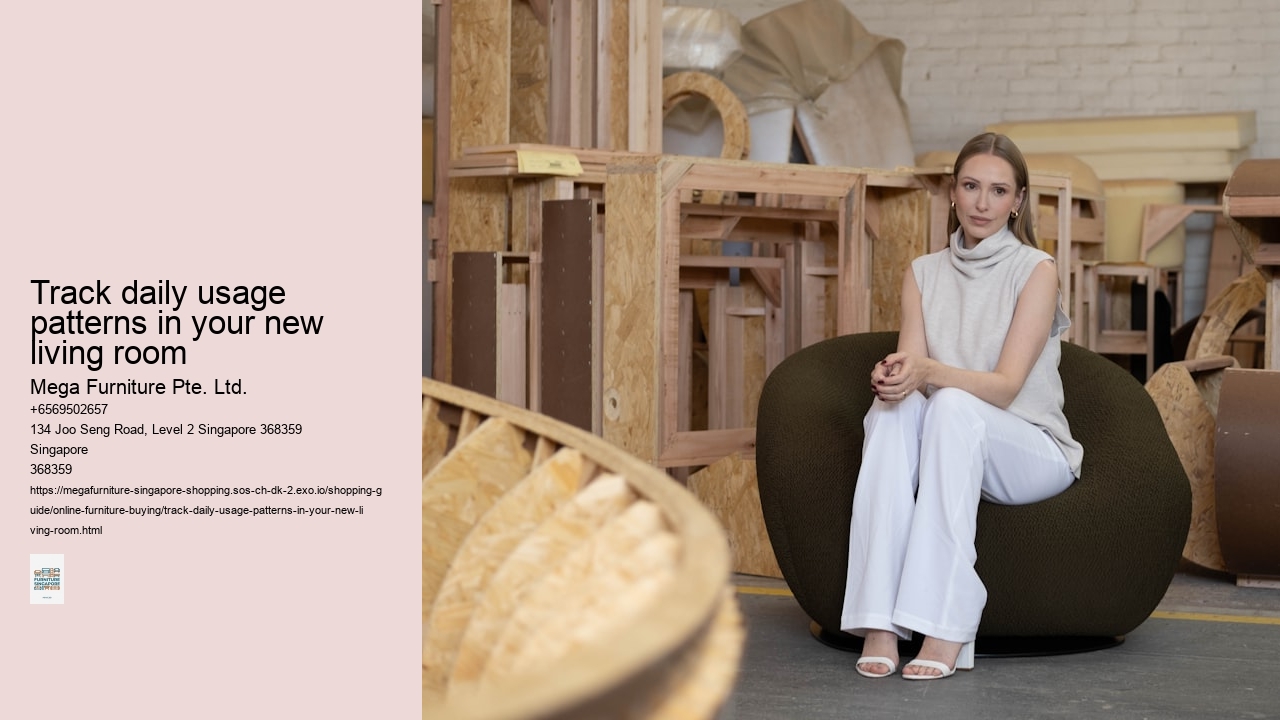
Performance fabrics dominate these spaces — stain-resistant linen sofas from Castlery, bouclé accent chairs from FortyTwo — because nobody wants to baby their furniture when living 30 floors above a construction site. The trick is balancing statement pieces with negative space; a low-profile modular sofa in charcoal grey can anchor the room without swallowing it whole, especially when paired with a glass-top nesting table set.
Multi-functionality isn’t just about hidden compartments anymore. Look for designs that visually expand the space: a wall-mounted fold-down dining table (IKEA’s Norden still sells out quarterly), or a backless bookshelf that doubles as a room divider. Condo dwellers typically prioritise two features — wheels for easy reconfiguration, and legs that lift pieces 15cm off the ground to create an airier footprint.
Rubberwood and powder-coated steel combinations work particularly well here — durable enough for daily use, lightweight enough to shift during quarterly deep cleans. The real test comes during weekend grocery hauls, when that sleek console table suddenly needs to hold six tote bags without collapsing.
Some buyers swear by custom-sized sofas from Commune, though the 8-week lead time means living with camping chairs until National Day. Others compromise with IKEA’s modular sofas, sacrificing some luxe factor for same-day delivery and stain warranties that actually cover kopi spills. Either way, the goal’s the same — furniture that looks like it belongs in a magazine spread, but functions like it belongs in a Punggol shoebox unit.
Teak's natural oils repel moisture, making it ideal for Singapore's climate. Unlike cheaper woods that warp within months, properly treated teak maintains structural integrity for years. Local workshops like Commune treat it with marine-grade sealants for balcony furniture. The golden-brown patina develops character without compromising durability. Just avoid placing untreated teak directly against walls where condensation pools.
Powder-coated aluminium frames outperform stainless steel in coastal areas like Pasir Ris. The electrostatic process bonds pigment to metal, preventing saltwater corrosion. Look for brands like Castlery using 1.2mm thickness—thinner coatings chip when humidity causes expansion. Black finishes hide water spots better than chrome. Metal legs should have silicone caps to prevent floor staining during monsoon seasons.
Performance velvet from FortyTwo resists mould better than natural fibres. The tight weave prevents spore penetration while mimicking luxury materials. Microfiber sectionals dry 3x faster than linen after afternoon thunderstorms. Avoid bonded leather—humidity causes peeling within 18 months. For cushions, Sunbrella fabric withstands balcony conditions with just monthly wiping.
Tempered glass tabletops need silicone spacers to prevent moisture suction. Condensation rings form without proper airflow beneath the surface. Opt for 12mm thickness—thinner sheets sweat excessively during temperature swings. Frosted finishes hide water marks better than clear glass. Pair with powder-coated bases to prevent rust stains on your marble floors.
High-pressure laminates like Formica's Marine Collection outperform solid wood for TV consoles. The resin-saturated layers won't swell at edges like MDF. Matte finishes disguise humidity-induced warping better than glossy surfaces. Check for BS EN 438 certification—this guarantees 10+ years in tropical conditions. Just avoid using laminate for dining surfaces where hot plates accelerate delamination.
That three-seater sectional sofa might look perfect in the Megafurniture showroom, but good luck getting it past the lift doors in your 99-year leasehold BTO. Delivery teams charge $80–$120 per failed attempt—measure your building’s lift dimensions against the sofa’s diagonal depth before swiping your card. Humidity warps untreated rubberwood legs within months; check warranty fine print for “environmental damage” exclusions before that teak coffee table develops incurable wobbles.
Ventilation gaps matter more than Instagram aesthetics. That sleek media console pressed flush against the wall? It’s baking your router while trapping enough moist air to warp its MDF panels within a rainy season. Leave 5cm clearance behind all electronics—better yet, opt for wall-mounted shelves with hidden cable channels.
Singaporeans love a storage bed until they’re heaving mattresses twice yearly to access winter clothes. The Somnuz® lift mechanism feels smooth in the Tampines showroom; less so when dust bunnies jam its tracks after eighteen months. Consider shallow underbed drawers instead—they’ll hold twenty folded T-shirts without requiring a full bedroom strip-down.
Local shoppers fixate on door width but forget about turning radius. That L-shaped sofa from FortyTwo needs 30cm extra clearance at corners—enough to turn your walkway into an obstacle course. Tape newspaper cutouts on your floor before buying; what fits in a Sims floorplan rarely survives reality.
Megafurniture’s Joo Seng warehouse sells gorgeous rattan armchairs with zero humidity protection. Their sales team won’t mention the $300 reweaving costs when the strands start snapping next December. Natural materials demand quarterly conditioning—skip them unless you’ve budgeted for maintenance like your grandma’s rosewood cabinet.
Most modular sofa configurators online assume you’ve got a 30 sqm living room — try dragging a 2.8m L-shaped sectional into a 12 sqm BTO layout, and you’ll see why showrooms still matter. At Megafurniture’s Joo Seng and Tampines spaces, they’ve mocked up actual HDB bedroom-to-living-room proportions: that compact dining set you’re eyeing sits exactly 90cm from a 2-seater sofa, with just enough walkway left for the coffee table. Singaporeans default to modular designs not just for flexibility, but because pre-fab living room sets often leave awkward 15cm gaps beside BTO feature walls. Testing pieces in person reveals which combinations actually work — performance velvet sectionals might look sleek online, but their depth could block your balcony door swing. Showroom lighting also exposes how neutral palettes read differently under HDB corridor-facing windows versus condo LED strips. There’s a reason most buyers spend 20 minutes sitting on display sofas before deciding. Online product shots won’t show how a bouclé armchair’s seat height aligns with your existing TV console, or whether that marble-look sintered stone coffee table clashes with your vinyl flooring. And while rubberwood TV stands seem sturdy in specs, seeing their drawer glide action in person stops you from ordering something that’ll warp in year two. Mid-range modern furniture often suffers from “showroom syndrome” — pieces that look cohesive under gallery lighting but overwhelm real homes. Megafurniture’s mockups account for this: their 3.2m shelving units are staged with actual HDB ceiling heights, so you’ll notice if the top shelf becomes dead space. It’s the difference between buying individual
statement piecesand curating a room that functions. Some shoppers assume showrooms only matter for big-ticket items, but even accent chairs benefit from tactile testing. That geometric metal-leg design might photograph well, but will the angled edges snag your curtains? Modular sofas get all the attention, but it’s often the side tables — placed just wrong — that make a living room feel cramped.
Choosing the right modern living room lighting: A step-by-step guide
The delivery guy will ask about your lift lobby before unloading—and if you’re in a pre-1990 HDB block without direct lift access, that’s when the $80–$150 staircase surcharge appears. Most modern sofa sets and modular storage systems come flat-packed; what looks like a simple L-shaped sectional often arrives as 12 boxes with an Allen key taped to the largest one. Check the assembly sheet before signing off—missing cam locks or misaligned pre-drilled holes are common with rubberwood-and-metal frame pieces, especially from brands that ship from overseas warehouses.
Humidity warps MDF faster than solid wood, but most warranties won’t cover it unless specified. That matte white TV console with the hairpin legs? The fine print often excludes “environmental damage” like veneer peeling in 85% humidity—ask for a rider if your flat faces west and gets afternoon sun. Some retailers offer paid assembly, but at $120–$200 per job, it’s cheaper to borrow an impact driver from the neighbour who’s always renovating.
Modular furniture thrives in Singapore’s compact living rooms, but those interlocking shelves and floating cabinets assume your walls are perfectly straight. Older HDB flats often have 2–3cm variances in corner angles; keep a pack of shims and a laser level handy when installing. The worst moment is realising your custom-sized media unit won’t fit through the doorway because nobody measured the turn radius past the bomb shelter.
Delivery slots fill fastest for weekends—book three weeks out if you’re coordinating with curtain installation or flooring contractors. Midweek noon deliveries have the lowest rescheduling fees, though you’ll need to bribe a retiree downstairs to accept the pallet. Pro tip: the IKEA truck won’t enter condo basement carparks with low ceilings, but Castlery’s subcontractors usually will.
Sectional sofas in 14 sqm BTO living rooms? Possible, but only if you measure twice. A standard 2-seater sectional with chaise typically needs 2.8m x 1.8m floor space — that’s half your room gone before adding coffee tables or TV consoles. Better to opt for compact L-shapes under 2.1m length, like IKEA’s Kivik or Castlery’s Darcy, leaving 60cm walkways.
Mould-resistant materials aren’t optional here — they’re survival gear. Performance fabrics (Crypton, Revolution) beat linen or cotton in humidity; rubberwood and powder-coated metal frames outlast MDF by years. Local brands like Commune and FortyTwo now treat all upholstery with anti-microbial coatings as standard — worth the 15–20% premium when you’re airing out cushions weekly.
Warranty validity depends on the fine print most buyers skip. EC units often void coverage for ‘non-standard residences’ — clauses buried in section 4.2 of most contracts. Exception: Cellini explicitly covers all strata properties under 15 years old.
Singaporeans obsess over centimetres because builders don’t leave spares. That 14 sqm living room is really 3.5m x 4m after accounting for bomb shelter protrusions — enough for a slim sofa and nothing else if you want natural light from the balcony door.
Leather sofas stick to thighs in our climate, no matter what the salesperson claims. Go for perforated backs or hybrid fabrics unless you enjoy peeling yourself off furniture after movie nights.
Painter’s tape on HDB floors outlasts most marriages—which makes it perfect for mocking up your living room layout before committing to a single configuration. Start by outlining your sofa’s footprint, then work outward: TV console against the shortest wall, coffee table centred with 45–50cm clearance from seating. In many 4-room BTO flats, that leaves just 60cm for walkways—tight, but navigable if you skip bulky recliners in favour of slimmer mid-century modern designs.
Modular sectionals from Castlery or FortyTwo solve two problems at once—they adapt to odd corners and create visual flow in open-plan layouts. Test L-shape versus parallel arrangements; the former works for movie nights, the latter for conversation circles. Just remember: every centimetre counts when your entire living area spans just 18 sqm.
Neighbourhood contractors will warn you about tape residue on homogeneous tiles, but a dab of rubbing alcohol cleans it up faster than you can say “en-bloc”. What they won’t tell you? That 70cm clearance feels luxurious until you add a side table—suddenly, that walkway shrinks to 55cm, and you’re doing the HDB shuffle sideways.
Rubberwood legs on modern coffee tables save toes better than metal ones. And if you’re eyeing a bouclé sofa from HipVan, tape out the depth too—what looks sculptural in Tampines Mall’s showroom can swallow a third of your floor space.
For narrow layouts, try floating the TV console 15cm off the wall. It tricks the eye into perceiving depth, though you’ll sacrifice some storage. Most homeowners regret neither the lost space nor the floating unit—just not buying the cord-hiding kit sooner.
Most new BTO living rooms fit a three-seater sofa with about 30cm clearance to the opposite wall-just enough space to walk sideways if you suck in your stomach. That's why modular sectionals with detachable armrests dominate showrooms at IKEA Alexandra and FortyTwo's Pasir Panjang warehouse; homeowners need furniture that can shrink during CNY visits then expand for movie nights. Humidity complicates things-untreated rubberwood frames warp within two wet seasons, while metal legs on Castlery's Oslo sofa leave salt marks on tiles unless wiped weekly.
Coffee tables become knee-bump hazards in 12 sqm layouts, which explains why nesting sets from HipVan and Commune sell out fastest during BTO key collection months. The smart money's on sintered stone tops-they resist coffee rings better than laminate, though the $400–$800 price stings for first-time buyers. Wall-mounted TV consoles help, but only if you're willing to sacrifice storage; most 180cm-wide Muji units hold exactly six PS5 game cases before looking cluttered.
Local designers have started hacking the space constraints with dual-purpose pieces-Cellini's fold-down console tables double as work desks, while FortyTwo's bench seating hides shoe storage. It's a stopgap solution for flats where the living room also functions as a guest bedroom, study, and occasionally a dining area. The real trick is accepting that your $1.2 million BTO won't have a proper entertainment zone-just a glorified corridor with better lighting.
Most new BTO living rooms fit a three-seater sofa with about 30cm clearance to the opposite wall—just enough space to walk sideways if you suck in your stomach. That’s why modular sectionals with detachable armrests dominate showrooms at IKEA Alexandra and FortyTwo’s Pasir Panjang warehouse; homeowners need furniture that can shrink during CNY visits then expand for movie nights. Humidity complicates things—untreated rubberwood frames warp within two wet seasons, while metal legs on Castlery’s Oslo sofa leave salt marks on tiles unless wiped weekly.
Coffee tables become knee-bump hazards in 12 sqm layouts, which explains why nesting sets from HipVan and Commune sell out fastest during BTO key collection months. The smart money’s on sintered stone tops—they resist coffee rings better than laminate, though the $400–$800 price stings for first-time buyers. Wall-mounted TV consoles help, but only if you’re willing to sacrifice storage; most 180cm-wide Muji units hold exactly six PS5 game cases before looking cluttered.
Local designers have started hacking the space constraints with dual-purpose pieces—Cellini’s fold-down console tables double as work desks, while FortyTwo’s bench seating hides shoe storage. It’s a stopgap solution for flats where the living room also functions as a guest bedroom, study, and occasionally a dining area. The real trick is accepting that your $1.2 million BTO won’t have a proper entertainment zone—just a glorified corridor with better lighting.
Choosing the right modern living room lighting: A step-by-step guide