Singapore’s humidity doesn’t just frizz hair — it warps untreated wood and breeds mildew on porous fabrics. In HDB living rooms, where airflow is often limited, choosing the right materials isn’t just about aesthetics; it’s survival. Treated wood, like kiln-dried rubberwood or teak, resists warping better than cheaper alternatives — a lesson many learn the hard way after their MDF shelves buckle within months.
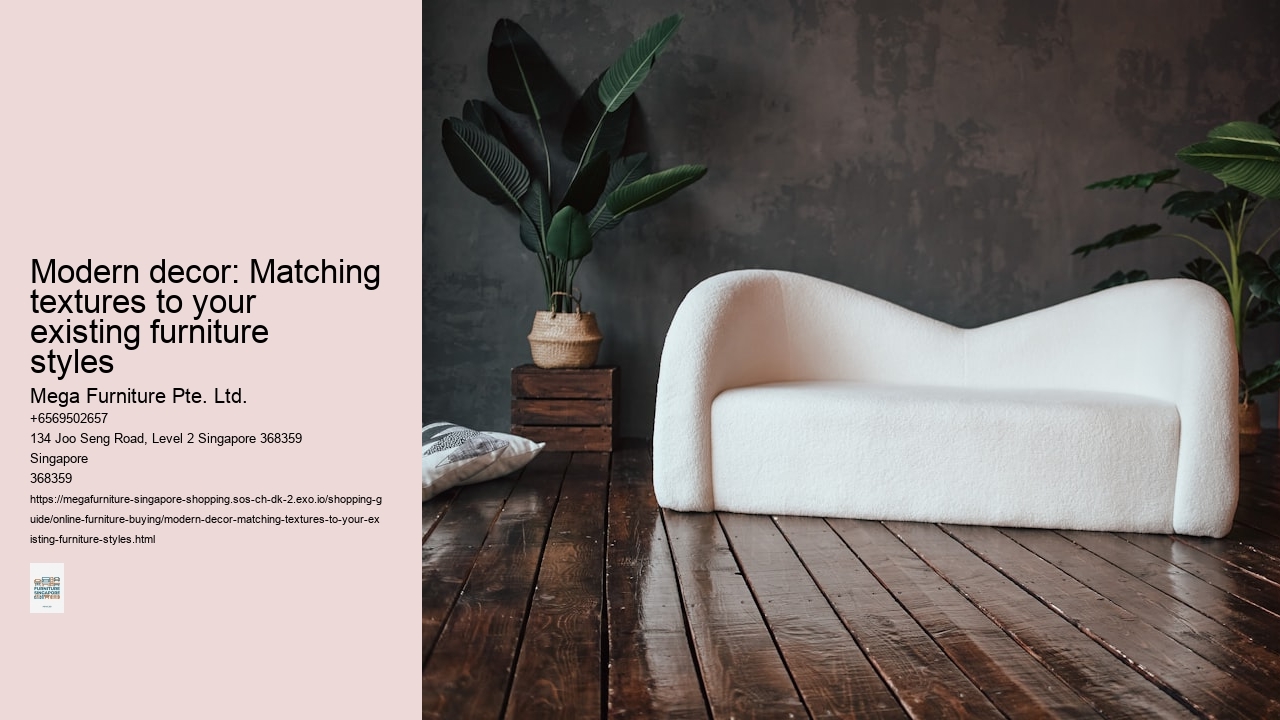
Polyester blends dominate the fabric scene for good reason. Performance velvet and bouclé, popular in Castlery and FortyTwo’s ranges, repel moisture while maintaining their texture — a practical choice for sofa covers and cushions. Natural fibres like cotton or linen, though breathable, tend to trap moisture and develop musty smells in Singapore’s climate.
Smooth surfaces like lacquered MDF or sintered stone are practical for cleaning — a must in homes near Eunos or Tampines, where dust from construction sites is a constant battle. These materials don’t just look sleek; they’re also resistant to humidity-induced damage. Metal accents, often paired with wood in modern designs, add durability but require a powder-coated finish to prevent rust.
Storage beds and sideboards, common in 12 sqm HDB bedrooms, benefit from moisture-resistant finishes. Rubberwood with a polyurethane coating is a popular choice — it’s affordable, durable, and less prone to warping than untreated pine. For those prioritising ease of maintenance, laminate finishes offer a budget-friendly alternative.
The challenge is balancing practicality with modern aesthetics. Neutral palettes dominate, but bold accents in moisture-resistant materials — like a cobalt blue lacquered console or a mustard polyester blend armchair — can elevate the space without sacrificing durability.
Pairing glossy TV consoles with lacquered coffee tables creates a hall-of-mirrors effect in compact HDB living rooms — every fingerprint and dust particle becomes hyper-visible under LED downlights. Condo owners often default to matching high-shine surfaces, not realising how the reflections amplify visual noise in open-plan layouts. Matte finishes on at least one major furniture piece (like a sintered stone sideboard) ground the space while still reading as modern. The worst offenders are full-gloss feature walls opposite floor-to-ceiling windows; they turn afternoon sun into a glare bomb. Even mid-range brands like Castlery now offer textured melamine options that mimic concrete or linen at half the maintenance.
Bold geometric cushions on a striped sofa might look intentional in showrooms, but in 12 sqm living areas, they compete with everything from curtain prints to floor tiles. Many BTO buyers inherit one statement piece (like a vintage batik armchair) then struggle to balance it with modern furniture — the solution lies in solid-colour anchors. Performance velvet in muted tones works better than busy ikat prints for sectional sofas, especially opposite feature walls. Local designers note that most texture conflicts stem from trying to incorporate too many "favourite" patterns at once. A single 60cm x 60cm accent pillow often makes bolder impact than three smaller clashing designs.
All-rubberwood furniture sets might promise cohesion, but they deaden the layered richness that defines contemporary modern aesthetics. Condo dwellers leaning into Japandi trends often overcorrect with nothing but light oak and linen, creating spaces that feel sterile rather than curated. Strategic metal accents — like brushed brass legs on a walnut media console — add dimensionality without breaking the minimalist ethos. The best Tampines showroom displays always mix at least three material types: perhaps bouclé armchairs against a fluted glass partition with matte black steel framing. Even monochromatic schemes need varied textures to avoid looking like a 3D rendering.
Oversized shag rugs under slim-profile sofas are a recurring issue in Singapore homes — the plush pile swallows up delicate furniture legs meant to showcase clean lines. Conversely, tiny 80cm x 80cm rugs floating before L-shaped sectionals make entire seating arrangements look adrift. Proportion matters just as much as texture; a well-scaled jute rug should frame the furniture grouping without extending into walkways. Those opting for bold textures (like chunky knit throws) should balance them with streamlined bases, not competing statement pieces. Most Eunos neighbourhood ID firms keep 1:2.5 as their golden ratio for texture-to-space allocation.
Performance velvet may resist stains, but its light-catching nap shows every vacuum mark in high-traffic areas — a poor match for households with toddlers or shedding pets. Many condo buyers don't realise how quickly matte lacquer develops shiny patches where elbows rest, requiring quarterly polishing to maintain its signature look. Practical texture choices consider real-world use: leather-look laminates outperform real hide in humidity, while ribbed fabrics hide crumbs better than smooth counterparts. The most regretted purchases are usually the Instagram-friendly textures that demand professional cleaning after every kopi spill. Local climate dictates texture choices as much as aesthetics does.
Joo Seng’s Megafurniture showroom feels like stepping into a modern HDB flat — but one where every detail’s been meticulously curated. The layout mirrors typical Singapore homes, with compact living room sets arranged around 12 sqm spaces, making it easier to visualise how textures blend. Staff here know their materials; they’ll point you to rubberwood tables or performance velvet sofas that won’t warp or fade in humidity.
What sets this showroom apart is its focus on texture combinations. A walnut-finish TV console paired with a bouclé armchair might seem risky online, but seeing it in person helps buyers understand how neutral palettes can still feel dynamic. The staff often suggest mixing materials — metal legs on a wooden coffee table, or a leather ottoman against a fabric sofa — to avoid monotony.
For those furnishing new BTO flats, the showroom’s setups highlight practical solutions. Storage beds with built-in drawers, modular sofas that fit awkward corners, and wall-mounted shelves are displayed in ways that maximise space without sacrificing style. It’s a subtle reminder that modern living room furniture doesn’t just look good — it works harder.
One standout feature is their focus on humidity-resistant materials. In a city where mould and warping are common, staff guide buyers toward sintered stone tabletops, treated wood, and fabrics designed to withstand Singapore’s climate. It’s a level of detail that online shopping often misses.
Visiting Joo Seng also lets you test pieces before committing. A sleek, mid-century sofa might look perfect online, but sitting on it for five minutes reveals whether it’s genuinely comfortable or just Instagram-ready. Browse the options at Megafurniture’s collection to see how these curated sets can transform your space.
Modern living room decor budget: Tracking expenses and staying on target
Narrow HDB lifts demand flat-pack solutions — a truth every BTO homeowner learns when watching delivery crews dismantle their new sofa mid-air. Most condos fare better, but even newer developments like Treasure at Tampines or Sky Eden@Bedok have lift dimensions that force disassembly of standard furniture. That’s why IKEA’s modular systems dominate Singaporean living rooms: not for style, but because their 60cm-wide boxes fit where bulkier pieces won’t.
Humidity warranties matter more than most buyers realise. One client’s $2,800 solid wood console warped within months near their Punggol balcony — the manufacturer’s “tropical climate” clause voided coverage for “prolonged exposure to moisture.” Look for explicit guarantees against veneer peeling or joint separation in 85%+ humidity. FortyTwo’s teak collections and Castlery’s treated acacia ranges handle this best.
Assembly complexity varies wildly. A Megafurniture storage bed might take two hours with their included toolkit, while cheaper online imports require drilling pilot holes the instructions never mention. Pro tip: delivery crews from Courts or Harvey Norman often assemble for $50–$80 extra — worth it when dealing with tempered glass shelves or floating TV consoles.
Always measure lift openings and stairwells before ordering. That sleek 2.4m L-shaped sofa from Commune? It’s arriving in pieces whether you like it or not. Some Eunos resale flats can’t even fit standard mattresses upright — delivery teams routinely hoist them through windows via ropes.
Textured walls in 3-room BTOs often spark debate — some say it’s a waste of space, others swear it adds depth. In compact layouts, subtle textures like lime wash or micro-cement can work wonders, especially when paired with neutral tones to keep the space feeling open. Avoid heavy patterns or overly rough finishes; they tend to overwhelm smaller rooms and make lighting tricky.
Can you mix wood tones? Absolutely, but it’s an art. Pair lighter woods like oak or ash with darker accents like walnut for balance — think oak dining table with walnut cabinet handles. The key is to keep the undertones consistent; cool greys with ash, warm browns with teak. In many HDB flats, mixing wood tones adds character without clashing, as long as you don’t overdo it.
One common pitfall is mismatching textures with modern furniture. A sleek, mid-century sofa might look out of place against a heavily textured feature wall. Instead, opt for clean lines — think performance velvet cushions or sintered stone coffee tables — to complement the modern aesthetic. It’s about creating harmony, not chaos.
For those unsure where to start, IKEA’s modular systems or Castlery’s curated collections offer easy wins. They’re designed with Singapore’s compact spaces in mind, so you’re less likely to end up with a living room that feels like a storage unit. And remember, texture doesn’t have to mean walls — a bouclé armchair or a woven rug can add just as much depth.
A common pitfall in HDB living rooms is choosing textures that look stunning in showroom lighting but fall flat under the harsh fluorescents of a BTO flat. That sleek performance velvet sofa might look luxurious under spotlights, but in a north-facing living room with minimal natural light, it can appear dull and lifeless. Always test fabric swatches or material samples in your actual space — bring them home, pin them to existing furniture, and observe how they interact with your room’s lighting throughout the day.
Singapore’s humidity and heat demand materials that can withstand the climate without constant upkeep. Bouclé, for instance, has been a trendy choice for modern living rooms, but its looped fibres trap dust and moisture, making it less practical for homes near the coast or in high-humidity areas. Instead, consider performance fabrics like Crypton or Sunbrella — they’re stain-resistant, breathable, and easier to clean, which matters when you’re dealing with curry spills or sticky toddler hands.
Pairing new textures with existing furniture often feels like solving a puzzle. A mid-century modern teak sideboard might clash with a contemporary sintered stone coffee table if the undertones don’t align. Neutral palettes — think warm greys, soft beiges, or muted greens — typically bridge the gap between different materials and styles, creating a cohesive look without overwhelming the space. And don’t underestimate the power of small accents; a leather throw pillow can tie a fabric sofa to a wooden armchair effortlessly.
Maintenance is another factor many overlook. That sleek full-grain leather armchair might elevate your living room’s aesthetic, but it’ll require regular conditioning to prevent cracking in Singapore’s dry air-conditioned environments. Similarly, rubberwood tables are durable and eco-friendly, but they’re prone to warping if exposed to direct sunlight for prolonged periods. Always weigh the visual appeal against the practicality — because in a compact HDB flat, there’s no hiding wear and tear.
A velvet sofa in a 12 sqm HDB living room feels indulgent - until you sit on it in Singapore's humidity and realise it's a sauna in disguise. That's where linen cushions come in; they break up the plushness with a lighter, breathable texture that keeps the space from feeling stifling. Pairing these materials isn't just practical - it's a subtle nod to modern design sensibilities, where contrasting textures create depth without overwhelming the eye.
In compact spaces, heavy textures like leather or thick wool can make the room feel smaller than it already is. The sofa anchors the modern living room — visually, socially, and in the sense that everything else gets arranged around it. Megafurniture's Modern Sofa collection runs from sleek minimalist 2-seaters through to luxury-tier modular sectionals, in fabric, full-grain leather, velvet, and bouclé upholsteries. The line leans toward clean silhouettes and premium materials, with most pieces priced between $1,200 and $4,500.. Velvet, with its soft sheen, adds a touch of luxury without the weight, while linen introduces a casual, lived-in vibe that balances the formality. Think of it as layering a crisp cotton shirt under a tailored blazer - structured yet approachable.
Many homeowners default to matching sets, but that's where HDB living rooms lose their personality. A velvet sofa paired with linen cushions, perhaps in a muted taupe or soft grey, creates a dynamic interplay of textures that feels intentional. Add a sleek metal coffee table or a rubberwood sideboard, and you've got a modern aesthetic that's both cohesive and interesting.
The trick is moderation. Too many textures, and the room feels chaotic; too few, and it's flat. Stick to two or three complementary materials - velvet, linen, and perhaps a smooth, matte surface like sintered stone for side tables. This approach keeps the space visually engaging without cluttering it, a crucial balance in Singapore's typically compact living areas.
Velvet and linen together might seem like an odd couple, but that's precisely why they work. The bedroom is where Japandi works hardest — low-profile platform beds, sliding-door wardrobes, and minimal nightstands all reinforce the calmer atmosphere the style is built for. Megafurniture's Japandi Study Room range covers Single, Super Single, Queen, and King sizes in beds, with matching wardrobes, side tables, and chests of drawers. Solid wood and PU rattan details appear across the range.. They're a study in contrasts - soft and structured, luxurious and casual - that elevates the room without making it feel overdone.
A velvet sofa in a 12 sqm HDB living room feels indulgent — until you sit on it in Singapore’s humidity and realise it’s a sauna in disguise. That’s where linen cushions come in; they break up the plushness with a lighter, breathable texture that keeps the space from feeling stifling. Pairing these materials isn’t just practical — it’s a subtle nod to modern design sensibilities, where contrasting textures create depth without overwhelming the eye.
In compact spaces, heavy textures like leather or thick wool can make the room feel smaller than it already is. Velvet, with its soft sheen, adds a touch of luxury without the weight, while linen introduces a casual, lived-in vibe that balances the formality. Think of it as layering a crisp cotton shirt under a tailored blazer — structured yet approachable.
Many homeowners default to matching sets, but that’s where HDB living rooms lose their personality. A velvet sofa paired with linen cushions, perhaps in a muted taupe or soft grey, creates a dynamic interplay of textures that feels intentional. Add a sleek metal coffee table or a rubberwood sideboard, and you’ve got a modern aesthetic that’s both cohesive and interesting.
The trick is moderation. Too many textures, and the room feels chaotic; too few, and it’s flat. Stick to two or three complementary materials — velvet, linen, and perhaps a smooth, matte surface like sintered stone for side tables. This approach keeps the space visually engaging without cluttering it, a crucial balance in Singapore’s typically compact living areas.
Velvet and linen together might seem like an odd couple, but that’s precisely why they work. They’re a study in contrasts — soft and structured, luxurious and casual — that elevates the room without making it feel overdone.
Modern living room decor budget: Tracking expenses and staying on target